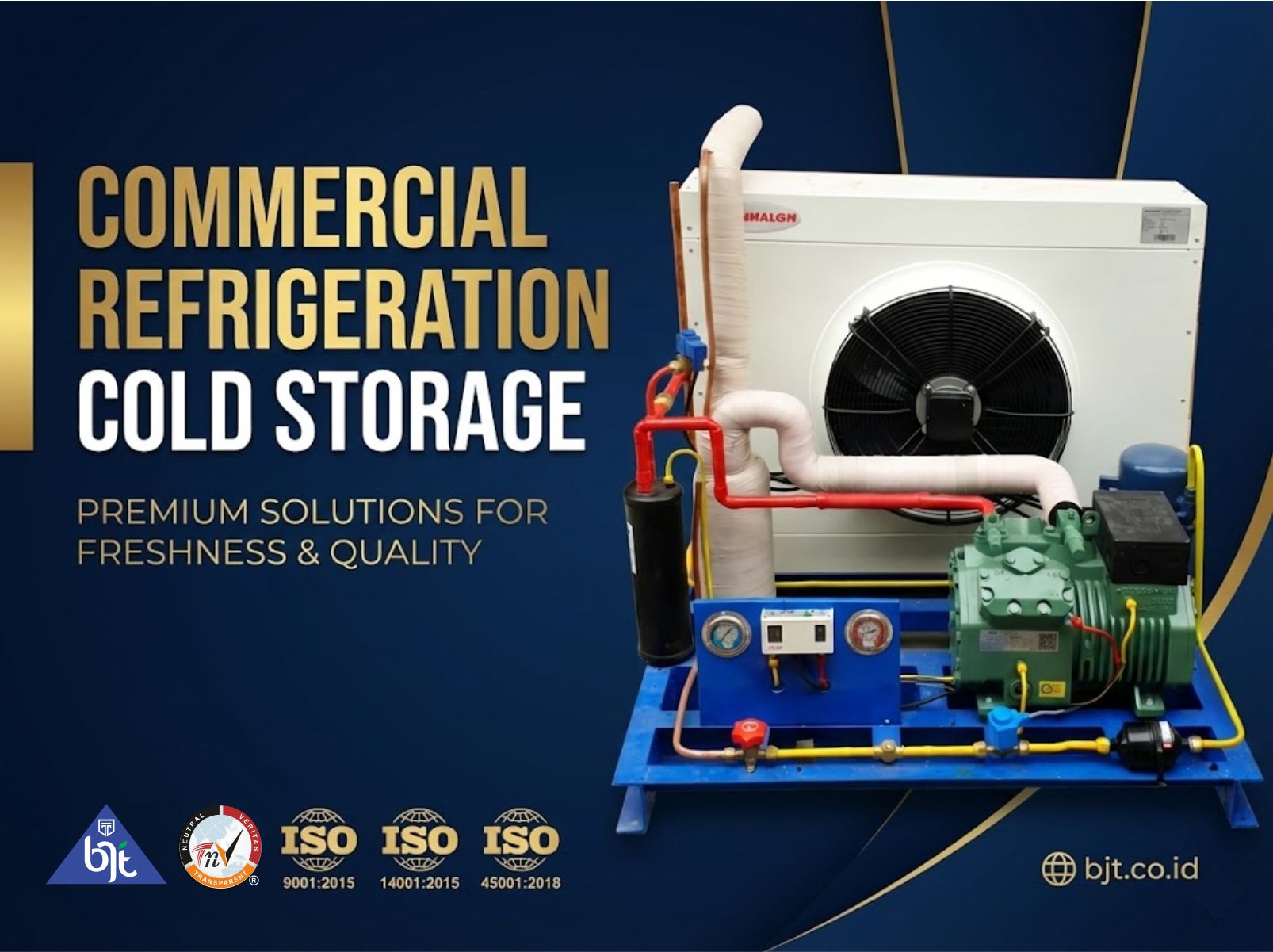

Cold Room Freezers for Meat and Fruits: Integrated Solutions for Quality and Efficiency
The global food industry continually seeks reliable solutions for preserving the quality and safety of perishable products. Cold room freezers are at the forefront of this effort, particularly when it comes to storing sensitive products like meat and fruits. Although these two product groups require distinct environmental conditions, modern cold storage facilities have evolved to integrate advanced technologies that accommodate both. This article examines the technology, design elements, operational benefits, and future trends of cold room freezers designed for storing meat and fruits.
1. Understanding the Distinct Storage Requirements
1.1 Temperature Needs
Different products demand different temperature ranges for optimal preservation:
-
Meat: To maintain quality and prevent microbial growth, meat is typically stored at temperatures below –18°C (0°F) for frozen storage or maintained at around 0°C to 4°C (32°F to 39°F) if chilled. Consistent low temperatures preserve texture, flavor, and nutritional value.
-
Fruits: Many fruits benefit from slightly higher storage temperatures—typically between 0°C to 5°C (32°F to 41°F)—to slow down respiration and ripening while avoiding frost damage. Maintaining this range helps preserve the fruit’s color, texture, and flavor.
1.2 Humidity and Air Circulation
Both meat and fruits require controlled humidity and efficient airflow:
-
Meat: Lower humidity levels help prevent excess moisture and surface condensation, reducing the risk of microbial growth.
-
Fruits: High humidity is crucial to prevent dehydration and maintain the natural juiciness and texture of fruits.
-
Air Circulation: Uniform airflow is essential for both product types. Strategically placed fans and evaporators ensure that cold air circulates evenly throughout the space, preventing hot or cold spots that might affect product quality.
2. Integrated Design and Infrastructure
2.1 Structural Materials and Insulation
Modern cold room freezers are constructed to maximize hygiene and energy efficiency:
-
Materials: Stainless steel is often used for walls, ceilings, and floors due to its durability, ease of cleaning, and resistance to corrosion. This is critical for maintaining a sanitary environment for both meat and fruits.
-
Insulation: High-density insulation materials, such as polyurethane foam, are used to minimize thermal loss. Effective insulation helps maintain consistent temperatures and reduces energy consumption.
2.2 Zoning and Temperature Segmentation
Cold rooms that store both meat and fruits often incorporate zoning strategies:
-
Dedicated Zones: The storage space can be segmented into zones, each with its own temperature and humidity controls. One zone may be set to the lower temperatures required for meat, while another is maintained at a slightly higher temperature suitable for fruits.
-
Flexible Systems: Advanced control systems allow for dynamic adjustment, ensuring that each zone meets the specific requirements of the products stored within it.
2.3 Storage Organization and Rack Systems
Efficient use of space is vital in integrated cold storage:
-
Customizable Racks: Adjustable stainless steel racks can be configured to accommodate different product sizes and packaging types. This design helps prevent cross-contamination between meat and fruits.
-
Optimized Layout: A well-planned layout ensures that products are organized for easy access, efficient stock rotation, and optimal airflow throughout the room.
3. Advanced Refrigeration and Control Systems
3.1 Refrigeration Cycles and Cooling Mechanisms
The effectiveness of a cold room freezer is largely determined by its refrigeration system:
-
Components: Key components include compressors, condensers, expansion valves, and evaporators that work together to remove heat from the storage room continuously.
-
Temperature Maintenance: These systems are designed to reach and sustain precise temperature levels, whether it’s maintaining sub-zero conditions for meat or slightly higher levels for fruits.
3.2 Uniform Airflow Distribution
Even air distribution is critical to maintaining product quality:
-
Fan Evaporators: Large fan evaporators are installed on walls and ceilings to circulate cold air uniformly. This design minimizes temperature variations and ensures that all products, regardless of their location within the cold room, experience the same controlled environment.
-
Air Circulation Systems: Intelligent airflow systems can be adjusted based on the load and the configuration of the storage space, ensuring optimal performance in both the meat and fruit zones.
3.3 Digital Controls and Automation
Advanced control systems enhance the performance and reliability of cold storage:
-
Real-Time Monitoring: Sensors continuously monitor temperature, humidity, and airflow. Data from these sensors is fed into digital controllers that adjust the cooling system automatically.
-
Remote and Automated Control: With IoT integration, operators can monitor and manage the cold room remotely. Automated systems can alert staff to any deviations from set parameters, ensuring prompt corrective actions.
-
Predictive Maintenance: AI-driven analytics help predict equipment failures and schedule timely maintenance, reducing downtime and extending the system’s lifespan.
4. Operational Benefits
4.1 Enhanced Product Quality and Shelf Life
Maintaining precise environmental conditions results in significant benefits:
-
Meat Preservation: Consistently low temperatures help preserve meat by slowing microbial growth and reducing the risk of spoilage. The quality, texture, and flavor are maintained, which is essential for consumer safety and satisfaction.
-
Fruit Freshness: Proper humidity and temperature control slow down the ripening process and reduce dehydration, thereby extending the shelf life and preserving the visual and nutritional quality of fruits.
4.2 Energy Efficiency and Cost Reduction
Modern cold room freezers are designed to be energy efficient:
-
Smart Insulation and Controls: Effective insulation and automated temperature controls reduce energy consumption. Lower energy usage translates to significant cost savings over time.
-
Reduced Waste: By minimizing spoilage and maintaining optimal storage conditions, businesses can reduce product loss and waste, ultimately lowering operational costs.
4.3 Regulatory Compliance and Food Safety
Adhering to food safety standards is paramount:
-
Hygienic Environments: The use of non-porous materials and proper zoning helps prevent cross-contamination, ensuring that both meat and fruits are stored under sanitary conditions.
-
Compliance: Detailed data logging and real-time monitoring help businesses comply with food safety regulations and facilitate smoother inspections and audits.
5. Future Trends in Integrated Cold Storage Solutions
5.1 Integration with AI and IoT
The future of cold storage technology is closely tied to smart innovations:
-
Enhanced Connectivity: Greater integration of AI and IoT will enable even more precise monitoring and control of environmental conditions.
-
Predictive Analytics: Machine learning algorithms will analyze historical data to optimize energy use and predict maintenance needs, further enhancing operational efficiency.
5.2 Sustainability and Eco-Friendly Solutions
Sustainable practices are becoming increasingly important:
-
Eco-Friendly Refrigerants: Future systems will likely use refrigerants with lower global warming potential, reducing the environmental footprint of cold storage operations.
-
Renewable Energy Integration: The incorporation of renewable energy sources, such as solar panels, may further decrease energy costs and environmental impact.
5.3 Modular and Flexible Designs
As market demands evolve, flexibility in design will be key:
-
Modular Systems: Cold rooms designed with modular components allow businesses to expand or reconfigure their storage space easily as product volumes or types change.
-
Customizable Environments: Future systems may offer more sophisticated zoning options, enabling rapid adjustments between different storage conditions to accommodate a wider range of perishable products.
6. Conclusion
Cold room freezers designed for storing both meat and fruits represent an advanced solution that meets the stringent requirements of modern food supply chains. By combining precise temperature control, uniform airflow, and customizable storage configurations, these systems help preserve product quality, extend shelf life, and reduce operational costs.
The integration of digital controls, IoT connectivity, and energy-efficient designs not only enhances performance but also supports regulatory compliance and food safety. As technology continues to advance, the future of cold storage will see even greater integration of AI-driven analytics and sustainable practices, further driving efficiency and reducing environmental impact.
Investing in state-of-the-art cold room freezers is essential for businesses looking to maintain competitiveness in an increasingly demanding market, ensuring that both meat and fruits remain fresh, safe, and of the highest quality from production to consumer.