diposkan pada : 02-10-2025 05:40:19
Complete Guide to Insulation Panels, Refrigeration Systems, and Installation Services
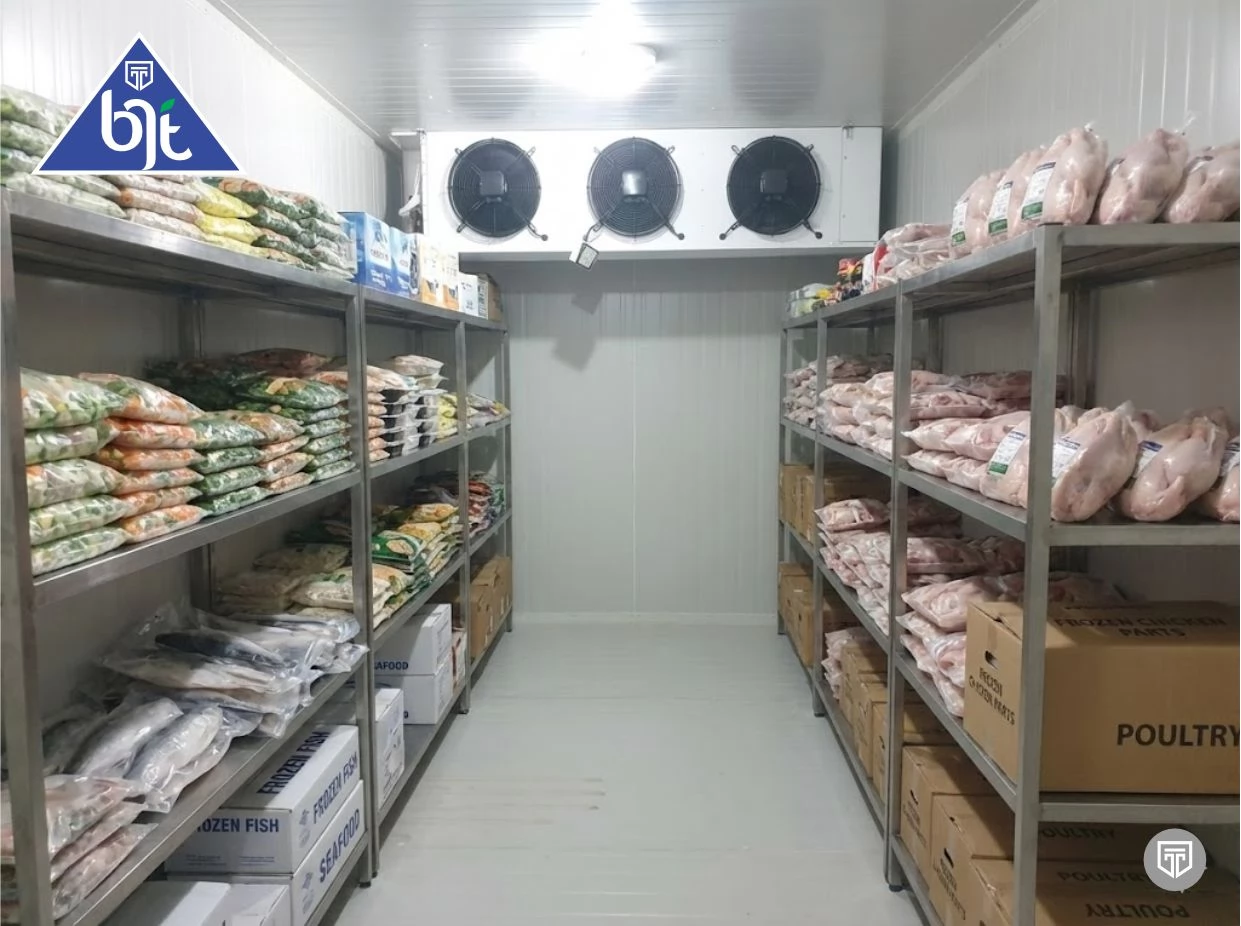
Cold storage plays a vital role in today’s global supply chain, ensuring that perishable goods, pharmaceuticals, and sensitive materials are stored under the right conditions. Whether it’s frozen meat, seafood, dairy, vaccines, or industrial products, a well-designed cold storage facility safeguards quality, extends shelf life, and supports compliance with food safety regulations.
In the food industry, cold storage is indispensable for large-scale processing and distribution. Restaurants, hotels, supermarkets, and frozen food suppliers all depend on reliable freezer and chiller facilities. In pharmaceuticals, temperature-controlled rooms guarantee the safety of vaccines and medicines, preventing spoilage and potency loss. Logistics companies also rely on cold storage systems to maintain a seamless cold chain during transport and warehousing.
The benefits of cold storage go beyond simple temperature control. A professionally built system improves operational efficiency, reduces energy consumption, and ensures long-term reliability. By combining advanced insulation panels, durable refrigeration equipment, and digital monitoring systems, businesses can achieve consistent product quality and optimize their operational costs.
0811-8991-336 -
Cold storage room custom
08111-2018-945 -
Cold storage is more than just a refrigerated room—it’s a complete system engineered to maintain precise environmental conditions. Its main purpose is to store perishable or sensitive products at low temperatures, preventing spoilage, bacterial growth, and chemical changes.
There are several types of cold storage systems designed for different applications:
Temperature ranges are crucial in cold storage because different products require specific storage conditions. For instance, ice cream needs around –25°C to –30°C to maintain texture, while fresh fruits and vegetables require a chiller environment between +2°C and +8°C.
By understanding the types of cold storage and their temperature requirements, businesses can choose the right solution for their needs, ensuring both product safety and energy efficiency.
At the core of every cold storage facility are insulated panels, which form the walls, ceilings, and sometimes the flooring of the structure. These panels are typically made with polyurethane (PU) foam insulation, which offers excellent thermal resistance and durability.
Ceiling and wall insulated panels with thicknesses of 100mm or more are common in freezer applications, as they reduce heat transfer and minimize energy loss. PU slabs are lightweight yet strong, making installation easier without compromising performance.
A critical factor in cold storage construction is the joint system used between panels. Camlock joints, which securely lock panels together, ensure tight sealing and prevent air leakage. Additionally, food-grade sealants and aluminum-coated fittings further enhance hygiene and durability.
These panels not only regulate temperature but also contribute to structural integrity. The pre-painted steel surface resists corrosion, while the food-grade finish ensures compliance with hygiene standards required in food and pharmaceutical industries.
The sandwich panel knock down system is widely adopted in modern cold storage construction because of its flexibility and efficiency. These panels are manufactured with a core density of around 45kg/m³, providing superior insulation and durability.
The system uses a modular approach, allowing panels to be easily assembled, disassembled, or reconfigured based on storage requirements. This flexibility is especially beneficial for businesses expanding their operations or relocating facilities.
Food-grade compliance is another key advantage, as the panels are designed to meet hygiene and safety standards. The pre-painted steel skin, typically 0.5mm thick, provides extra strength, corrosion resistance, and easy cleaning.
With the knock down system, installation time is significantly reduced, and maintenance is easier since individual panels can be replaced without dismantling the entire structure. The camlock joint system ensures panels lock tightly, reducing the risk of thermal leakage and maintaining consistent internal temperatures.
This combination of efficiency, hygiene, and durability makes the sandwich panel knock down system one of the most reliable solutions for building cold storage facilities.
Sliding doors are a standard feature in cold storage construction, designed to provide easy access while maintaining optimal insulation. Typically sized around 160 x 200 x 10 cm, these doors are engineered to withstand constant usage in industrial environments.
The key function of sliding doors is to reduce heat exchange during operation. They are insulated with PU foam and fitted with tight seals, ensuring that temperature fluctuations are minimal even when the door is frequently opened.
Modern cold storage doors often come with smooth sliding mechanisms, ergonomic handles, and reinforced structures to prevent warping or air leakage. Some advanced models also include heaters within the door frame to prevent frost accumulation, ensuring uninterrupted access in extremely low-temperature environments.
For added efficiency, sliding doors are often paired with plastic strip curtains that provide an extra barrier against warm air entering the storage room.
To maximize efficiency and safety, cold storage facilities are equipped with several additional door and access accessories:
These accessories may seem minor, but they play a critical role in maintaining energy efficiency, operational safety, and the overall reliability of cold storage facilities.
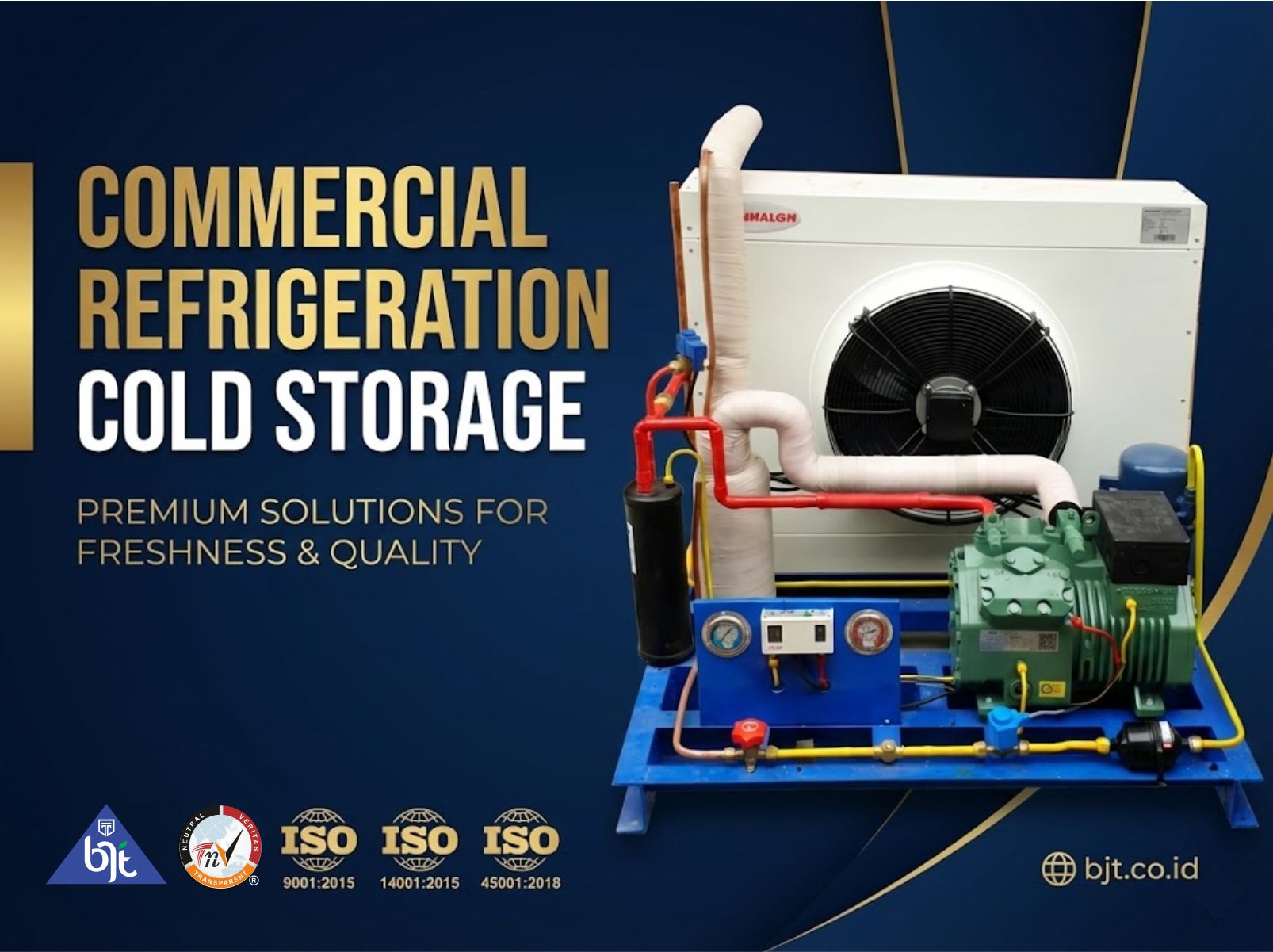
The compressor is the heart of any commercial cold storage system. It is responsible for compressing refrigerant gas and circulating it throughout the system to maintain the desired temperature. High-capacity compressors, such as Bitzer models, are commonly used in industrial cold storage due to their durability and efficiency.
A well-chosen compressor ensures consistent cooling performance while minimizing energy consumption. The capacity of the compressor must be matched to the room’s size, insulation level, and target temperature. For instance, low-temperature freezers operating at –40°C require powerful compressors capable of sustaining continuous operation.
Modern compressors also feature advanced safety mechanisms such as oil protection, overload sensors, and phase monitoring to protect against voltage fluctuations. Regular maintenance of compressors, including oil checks, filter replacements, and vibration monitoring, is critical to ensuring long-term reliability.
Condensers are vital in the refrigeration cycle, as they remove heat absorbed from the cold storage room and release it into the surrounding environment. They are typically air-cooled or water-cooled, depending on the facility’s design and climate conditions.
An air-cooled condenser uses fans to dissipate heat, making it a common choice for standard installations due to its ease of setup and maintenance. In contrast, water-cooled condensers offer higher efficiency and are suitable for large-scale facilities that demand continuous performance.
Properly designed condensers ensure stable operation, prevent overheating, and maintain optimal compressor performance. Selecting the right condenser capacity is essential—too small, and the system struggles to maintain temperatures; too large, and energy is wasted.
Evaporators play a crucial role in absorbing heat from the storage room. Installed inside the cold storage chamber, evaporators transfer heat from the air to the refrigerant, ensuring the room remains at the required low temperature.
Different designs are available depending on airflow requirements and storage conditions. For instance, ceiling-mounted evaporators are ideal for evenly distributing cold air across large rooms, while wall-mounted units are better suited for smaller chambers.
Key features of a good evaporator include defrost systems (automatic or manual), corrosion-resistant materials, and efficient fans that distribute cold air evenly. Matching the evaporator’s capacity with the compressor and condenser ensures the system works in harmony.
No refrigeration system is complete without refrigerants and essential accessories. R404A refrigerant is widely used in commercial cold storage due to its effectiveness at low temperatures and compatibility with most compressors. It provides stable cooling performance while being safer than older refrigerants.
Accessories such as expansion valves regulate refrigerant flow, ensuring optimal efficiency. Oil separators, accumulators, and receivers help manage refrigerant and oil circulation, reducing wear on the compressor.
Other important accessories include:
Together, these components form the backbone of a reliable cold storage refrigeration system.
The control panel acts as the brain of the cold storage system, managing all electrical and mechanical functions. It typically includes MCB (Miniature Circuit Breakers), contactors, pilot lamps, thermostats, and digital controllers.
Modern panels are equipped with Dixell digital controllers, which allow precise monitoring and adjustment of temperatures. These systems display real-time information such as room temperature, defrost cycles, and system alerts.
Automation is a major advantage, as it reduces human error and ensures consistent operation. With integrated alarms and indicators, operators are immediately notified of issues like abnormal pressure, power fluctuations, or system malfunctions.
Safety is a top priority in cold storage facilities, where equipment must operate continuously under extreme conditions. Protection devices ensure longevity and prevent costly breakdowns.
Together, these safety features guarantee stable performance, reduce downtime, and protect valuable stored products.
The installation of cold storage begins with assembling the insulated panels that form the walls and ceiling. Using the knock-down camlock system, panels are locked tightly together to create a seamless and airtight enclosure.
Sliding doors and accessories are fitted next, followed by refrigeration equipment such as compressors, condensers, and evaporators. Proper sealing with food-grade sealants ensures hygiene and prevents air leakage.
This assembly process requires skilled technicians who understand both mechanical fitting and refrigeration engineering. Incorrect installation can lead to inefficiency, energy loss, and frequent breakdowns.
Once the structure is in place, electrical connections and piping are installed. Copper pipes with insulation carry refrigerant between the compressor, condenser, and evaporator. Flexible hoses and PVC drain pipes are also fitted to manage condensation and refrigerant flow.
Electrical work involves connecting the control panel to power sources, wiring the safety devices, and ensuring all sensors and thermostats are operational. The quality of wiring and piping directly affects system efficiency and longevity.
After installation, a running test is conducted to verify system performance. This includes checking refrigerant levels, testing compressors and fans, monitoring temperatures, and ensuring safety devices function correctly.
Only after successful testing is the system handed over for operational use. This final step is critical to guarantee reliability and prevent early system failures.
A cold storage facility is a long-term investment, and like any industrial system, it requires regular maintenance to ensure smooth operation. Preventive maintenance not only reduces the chances of sudden breakdowns but also extends the lifespan of the equipment and optimizes energy efficiency.
Routine checks are essential to keep the system in peak condition. A typical schedule includes:
A disciplined preventive maintenance schedule can reduce electricity consumption by up to 20% and significantly lower repair costs.
Despite robust design, cold storage systems can face issues such as:
Timely troubleshooting by trained technicians prevents these small issues from escalating into costly repairs.
Reliable suppliers ensure spare parts like compressors, evaporator fans, thermostats, and control panel components are available quickly. Having a long-term maintenance contract with professional service providers guarantees ongoing support and reduces downtime.
A professional cold storage solution always comes with clear warranty terms, ensuring customer confidence and product reliability.
Most warranties cover:
Typically, warranties provide free replacement or repair of faulty parts within the coverage period.
However, warranties do not usually cover:
Warranty terms are often conditional upon proper installation and maintenance by certified technicians. Failure to follow preventive maintenance schedules may void the warranty. Clear communication of these policies ensures transparency between supplier and customer.
Cold storage is a versatile solution serving multiple industries. Its applications span far beyond just food preservation, making it a cornerstone of modern logistics and production.
From seafood to meat and dairy, cold storage ensures food products remain safe, fresh, and ready for distribution. Frozen vegetables, ice cream, and ready-to-eat meals all require strict temperature-controlled environments to preserve texture and taste.
Vaccines, medicines, and laboratory samples are highly sensitive to temperature changes. Cold rooms ensure compliance with pharmaceutical storage regulations and protect the integrity of products vital for public health.
Global trade relies heavily on the cold chain. Warehouses equipped with cold storage facilities serve as transit points for frozen goods moving between suppliers, retailers, and end consumers.
Some chemicals and raw materials require cold storage to maintain stability. Research laboratories also use specialized cold storage for experiments and testing.
These diverse applications highlight the adaptability and importance of cold storage in multiple industries worldwide.
Investing in a professionally designed and installed cold storage facility brings long-term benefits that outweigh the initial costs.
Modern insulation panels, high-performance compressors, and optimized piping layouts reduce energy consumption significantly. Over time, this translates into lower operating costs and better profit margins.
By maintaining consistent temperatures, cold storage prevents spoilage and reduces waste. This reliability boosts customer trust and ensures uninterrupted business operations.
Meeting industry regulations is crucial, especially in the food and pharmaceutical sectors. Cold storage designed with food-grade materials, proper sealing, and digital monitoring ensures compliance with hygiene and safety standards.
Modular cold storage systems allow businesses to expand capacity easily. Whether a company starts with a small freezer room or a large distribution hub, professional solutions are designed to grow with the business.
PT. BJT Indonesia has positioned itself as a trusted provider of commercial cold storage solutions, offering complete systems that combine advanced technology, durable materials, and professional installation. From insulated panels and modular knock-down systems to high-performance compressors, condensers, evaporators, and control panels, the company delivers solutions that meet the strict demands of food processing, pharmaceuticals, logistics, and industrial applications.
What sets PT. BJT Indonesia apart is its commitment to quality, reliability, and long-term efficiency. Every cold storage system is designed with precision engineering, ensuring optimal temperature control, energy savings, and compliance with hygiene and safety standards. The integration of accessories such as sliding doors, heaters, and safety features further enhances performance and usability.
Additionally, PT. BJT Indonesia provides comprehensive installation, testing, and preventive maintenance services, ensuring that clients not only receive a fully functional system but also ongoing support for long-term operational success. With warranties, professional after-sales service, and scalable solutions, businesses can confidently rely on PT. BJT Indonesia for their cold storage needs.
In an era where cold chain reliability is vital for global trade, healthcare, and food security, PT. BJT Indonesia continues to play a pivotal role in supporting industries with sustainable, efficient, and future-ready cold storage solutions.
1. What is the standard insulation thickness for cold storage?
The standard insulation thickness is around 100mm for freezers and 75–100mm for chillers, depending on the temperature range required.
2. Why is R404A refrigerant widely used in cold storage systems?
R404A is effective at low temperatures, safe for compressors, and provides stable cooling performance, making it ideal for freezers and blast chillers.
3. How long does cold storage installation usually take?
On average, installation takes 30–45 days depending on the size, design, and complexity of the facility.
4. What are the key differences between chiller, freezer, and blast freezer systems?
Chillers operate at 0°C to +10°C for fresh goods, freezers run at –20°C to –40°C for long-term storage, and blast freezers rapidly reduce product temperature to preserve quality.
5. How often should preventive maintenance be scheduled?
Preventive maintenance should be carried out monthly, with a more comprehensive inspection every quarter and a full annual service to ensure optimal performance.