
Cold Room Meat Frozen Storage: Technology & Design
Efficient frozen storage is critical for maintaining the quality, safety, and longevity of meat products throughout the supply chain. Cold room meat frozen storage systems are engineered to create controlled environments that slow microbial growth, preserve texture, and maintain nutritional value. This article examines the key aspects of frozen storage for meat, including advanced refrigeration technology, structural design, operational benefits, and emerging trends in the industry.
1. Importance of Frozen Storage for Meat
1.1 Preservation of Quality and Safety
Meat is highly perishable due to its protein-rich composition, which makes it an ideal medium for bacterial growth if not stored properly. Frozen storage helps:
-
Extend Shelf Life: Maintaining ultra-low temperatures prevents spoilage and extends the shelf life of meat products.
-
Preserve Texture and Flavor: By freezing meat rapidly, the formation of large ice crystals is minimized, helping to maintain a tender texture and rich flavor.
-
Ensure Food Safety: Consistently low temperatures inhibit bacterial and enzymatic activity, reducing the risk of foodborne illnesses.
1.2 Operational Efficiency
Implementing a reliable frozen storage system can also:
-
Reduce Waste: By preserving meat quality, businesses can minimize losses caused by spoilage.
-
Enhance Logistics: A well-managed cold chain ensures that high-quality meat reaches consumers, even after long periods of storage and transportation.
2. Advanced Refrigeration Technology
2.1 Refrigeration Cycle
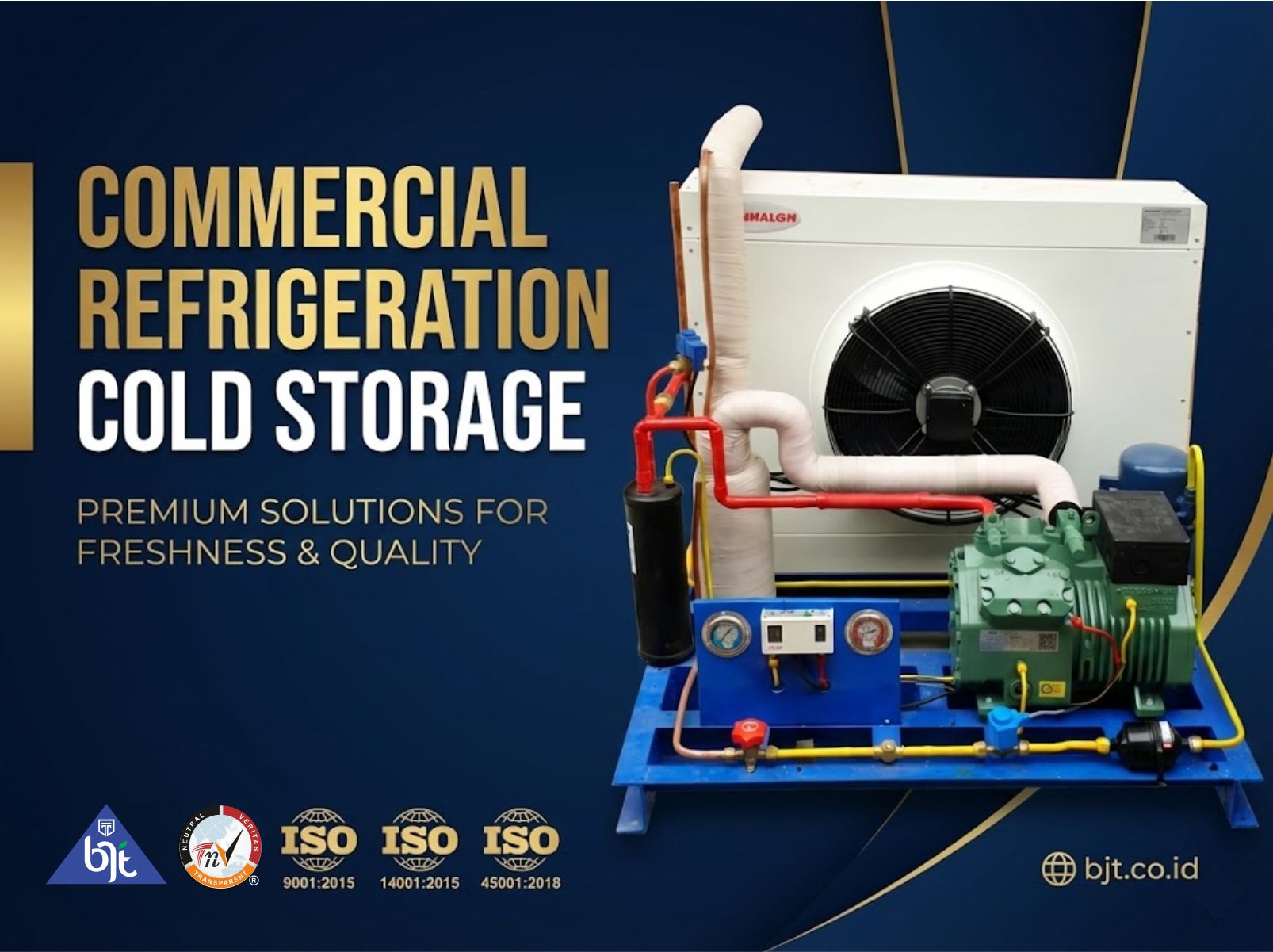
Cold room meat frozen storage systems rely on a sophisticated refrigeration cycle to maintain ultra-low temperatures:
-
Compressors: These units compress refrigerant gas to high pressures, increasing its temperature before it passes through condensers.
-
Condensers: The condensers release the absorbed heat, allowing the refrigerant to condense into a liquid.
-
Expansion Valves: These valves reduce the refrigerant's pressure, causing it to cool rapidly.
-
Evaporators: The cold refrigerant absorbs heat from the storage room, maintaining the desired temperature throughout the space.
2.2 Temperature Uniformity
Uniform temperature distribution is critical in frozen storage:
-
Fan Evaporators: Strategically placed fan evaporators help circulate cold air evenly throughout the room, preventing the formation of temperature gradients or “hot spots.”
-
Digital Controls: Advanced sensors and digital controllers continuously monitor and adjust the temperature to ensure stability, even during peak loads or external temperature fluctuations.
2.3 Energy Efficiency
Modern frozen storage systems are designed to be energy efficient:
-
High-Performance Insulation: Materials like polyurethane foam reduce thermal loss, maintaining a stable internal temperature with lower energy consumption.
-
Smart Systems: Automated control systems optimize compressor and fan operation, reducing energy waste while ensuring consistent performance.
3. Design and Infrastructure Considerations
3.1 Structural Materials
For meat frozen storage, hygiene and durability are paramount:
-
Food-Grade Construction: Stainless steel is commonly used for interior surfaces due to its resistance to corrosion, ease of cleaning, and ability to maintain a sanitary environment.
-
Robust Insulation: Effective insulation minimizes thermal exchange with the external environment, ensuring stable internal temperatures and reducing operating costs.
3.2 Layout and Storage Solutions
Optimizing storage layout enhances both operational efficiency and product quality:
-
Customizable Racks and Shelving: Adjustable storage systems allow for efficient organization of different meat cuts, ensuring proper air circulation and reducing the risk of cross-contamination.
-
Zoning: Some facilities employ zoning within the cold room, allowing different sections to be maintained at specific temperatures if needed for various meat products.
3.3 Safety and Hygiene
Maintaining high safety standards is crucial:
-
Automated Alarms: Temperature deviation alarms and other automated alerts notify staff of any potential issues, enabling prompt corrective action.
-
Regular Maintenance: Modular design and accessible components simplify routine cleaning and maintenance, ensuring continuous compliance with food safety regulations.
4. Operational Benefits
4.1 Enhanced Product Quality
By maintaining stable, ultra-low temperatures, frozen storage ensures that:
-
Texture and Flavor are Preserved: Rapid freezing prevents large ice crystal formation, preserving the natural tenderness and flavor profile of meat.
-
Nutritional Value is Maintained: Minimizing exposure to oxygen and temperature fluctuations helps retain the nutritional content of meat.
4.2 Cost Savings and Efficiency
Optimized frozen storage systems provide significant operational advantages:
-
Energy Savings: Energy-efficient components and smart control systems reduce operating costs.
-
Reduced Spoilage: Consistent storage conditions minimize waste, improving overall profitability.
4.3 Compliance and Traceability
Modern systems support strict regulatory compliance:
-
Food Safety Standards: Advanced monitoring and control systems ensure that storage conditions meet international food safety guidelines.
-
Data Logging: Detailed records of temperature and other parameters facilitate traceability and audits, helping businesses maintain accountability.
5. Future Trends and Innovations
5.1 Integration of AI and IoT
The future of frozen storage is increasingly connected:
-
Predictive Maintenance: AI-driven analytics predict equipment issues before they occur, reducing downtime and enhancing efficiency.
-
Remote Monitoring: IoT-enabled systems offer real-time oversight, enabling managers to adjust conditions remotely and respond quickly to any deviations.
5.2 Sustainability and Eco-Friendly Technologies
Environmental considerations are driving innovation:
-
Green Refrigerants: The development of refrigerants with lower global warming potential is reducing the environmental impact of frozen storage.
-
Renewable Energy Integration: Incorporating renewable energy sources, such as solar power, can further lower energy costs and support sustainable operations.
5.3 Modular and Scalable Designs
Flexibility is key in adapting to changing market demands:
-
Modular Systems: Future designs will offer modular components that can be easily expanded or reconfigured to meet evolving storage needs.
-
Customizable Solutions: More customizable systems will allow businesses to tailor storage conditions for different meat products, ensuring optimal quality across various lines.
6. Conclusion
Cold room meat frozen storage is a cornerstone of modern food preservation, ensuring that meat products remain safe, high-quality, and nutritious throughout their journey from production to consumption. By leveraging advanced refrigeration technology, efficient design, and smart digital controls, these systems deliver stable, ultra-low temperatures that extend shelf life, reduce waste, and enhance overall operational efficiency.
As technology continues to evolve, the integration of AI, IoT, and sustainable practices will further optimize frozen storage, driving greater energy efficiency and operational resilience. Investing in state-of-the-art cold room systems is essential for food processors, distributors, and retailers committed to delivering premium-quality meat products while maintaining competitive advantage in a dynamic market.