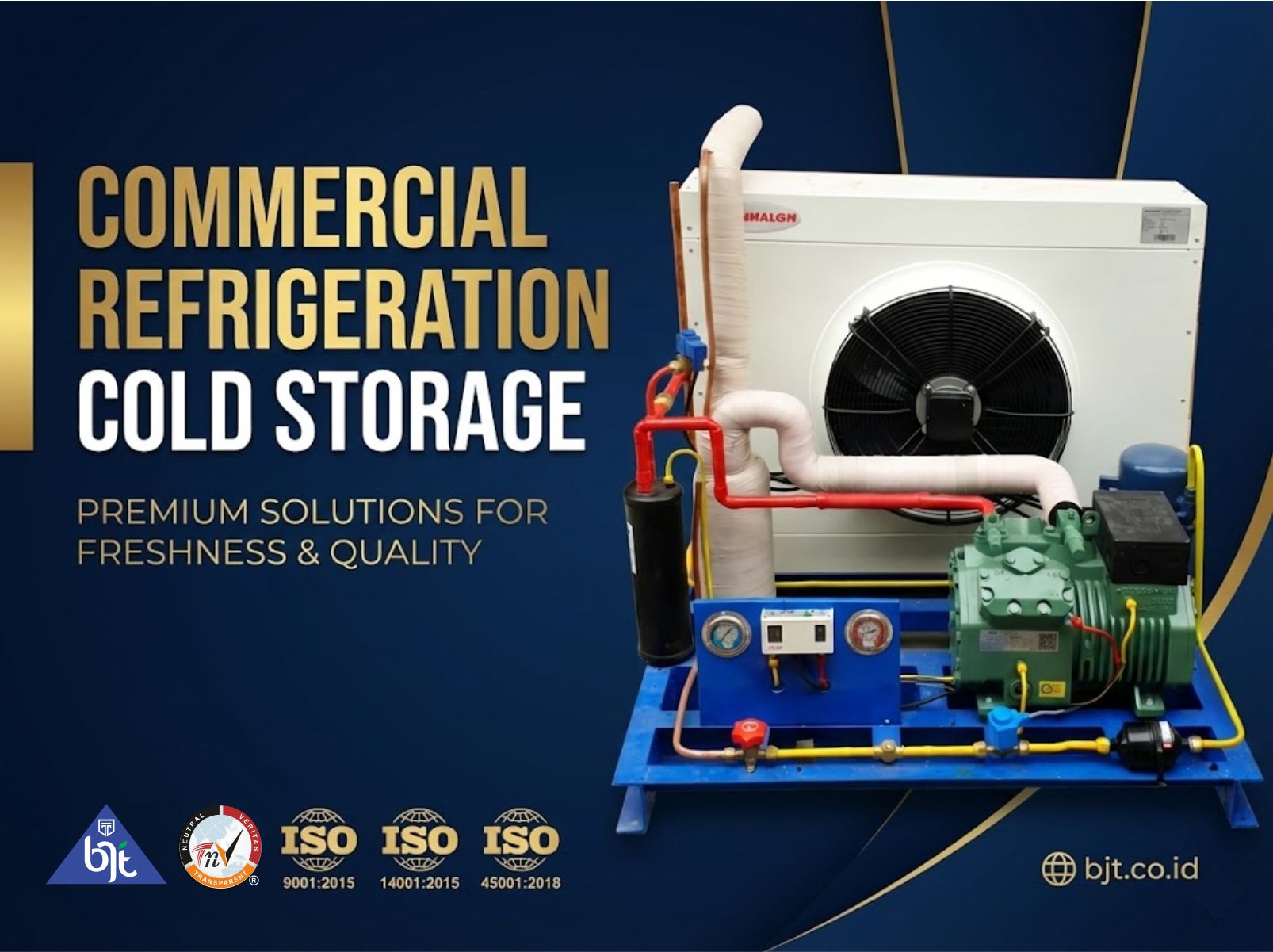

Cold Room Machines for Ice Cream: Temperature Control, Technology, and Benefits
In the competitive frozen dessert market, maintaining the perfect temperature is critical to preserving the quality, texture, and flavor of ice cream. Cold room machines designed for ice cream storage are engineered to provide precise temperature control, uniform cooling, and energy efficiency—all essential factors for preventing ice crystal formation and ensuring a smooth, creamy product. This article explores the key features and benefits of modern cold room freezer machines specifically designed for ice cream storage.
1. Importance of Temperature Control in Ice Cream Storage
1.1 Preventing Ice Crystal Formation
-
Consistent Ultra-Low Temperatures: Ice cream freezers are engineered to maintain temperatures between –20°C and –25°C (–4°F to –13°F). Keeping ice cream at these ultra-low temperatures prevents the formation of large ice crystals that can degrade texture.
-
Stable Environment: Fluctuations in temperature, even for brief periods, can cause thawing and refreezing, resulting in a grainy or icy texture. Modern cold room machines ensure consistent temperature stability throughout the storage area.
1.2 Maintaining Flavor and Texture
-
Preservation of Ingredients: Consistent temperatures help preserve the delicate balance of fats, sugars, and air, which are essential to the ice cream’s creamy consistency and rich flavor.
-
Quality Assurance: By avoiding temperature swings, cold room machines maintain the product’s intended sensory qualities, ensuring that consumers enjoy the ice cream as intended.
2. Advanced Freezer Technology for Ice Cream
2.1 Key Components of Cold Room Machines
-
Refrigeration Cycle: These machines use a robust refrigeration cycle that includes compressors, condensers, expansion valves, and fan-driven evaporators to extract heat efficiently and maintain consistent low temperatures.
-
High-Quality Insulation: Advanced insulation materials, such as polyurethane foam, minimize thermal loss and help stabilize internal temperatures, reducing energy consumption and ensuring uniform cooling.
2.2 Uniform Airflow and Cooling Distribution
-
Fan Evaporators: Strategically placed fan evaporators ensure even circulation of cold air within the cold room, preventing hot or cold spots that could lead to inconsistent product quality.
-
Optimized Air Vents: Intelligent design of air vents and ducts helps maintain a uniform temperature across all storage zones, which is crucial for large-scale storage or multi-product facilities.
2.3 Digital Temperature Monitoring and Automation
-
Real-Time Sensors: Integrated temperature sensors continuously monitor the environment and provide real-time feedback to the central control system.
-
Automated Adjustments: Digital controllers automatically adjust the refrigeration parameters to correct any deviations from set temperature levels, ensuring the cold room remains within the ideal range for ice cream.
-
Remote Management: Many modern systems are IoT-enabled, allowing for remote monitoring and control. This ensures that any issues are detected and resolved promptly, reducing the risk of product spoilage.
3. Design Considerations for Ice Cream Cold Rooms
3.1 Construction Materials and Hygiene
-
Food-Grade Surfaces: Interiors are typically constructed from stainless steel or other food-grade materials that are non-porous, easy to clean, and resistant to corrosion. These materials help maintain a hygienic environment, crucial for preventing microbial contamination.
-
Light-Blocking Design: Although ice cream is less sensitive to light than some other products, a light-controlled environment can help reduce unwanted temperature variations and protect the product during long-term storage.
3.2 Zoning and Layout Optimization
-
Customizable Storage Zones: Cold rooms may be divided into separate zones with specific temperature controls, allowing for tailored conditions if the facility also stores other products alongside ice cream.
-
Efficient Layout: Adjustable shelving and pallet configurations maximize storage capacity while ensuring that air circulation is not obstructed. This optimized layout enhances both operational efficiency and product quality.
4. Operational Benefits
4.1 Enhanced Product Quality and Consistency
-
Preserved Texture and Flavor: Maintaining the ideal ultra-low temperatures prevents texture degradation, ensuring that each serving of ice cream retains its creamy consistency and rich flavor.
-
Extended Shelf Life: By preventing temperature fluctuations and the formation of ice crystals, cold room machines help extend the shelf life of ice cream, reducing waste and enhancing profitability.
4.2 Energy Efficiency and Cost Savings
-
Reduced Energy Consumption: Advanced insulation, smart controls, and optimized refrigeration cycles result in lower energy usage, contributing to significant cost savings over time.
-
Minimized Downtime: Automated monitoring and predictive maintenance help prevent unexpected equipment failures, ensuring continuous operation and reducing the risk of product loss.
4.3 Regulatory Compliance and Food Safety
-
Adherence to Standards: Modern cold room machines are designed to comply with stringent food safety and quality standards, ensuring that ice cream is stored in conditions that meet regulatory requirements.
-
Traceability and Data Logging: Detailed data logging supports traceability and audit processes, making it easier for businesses to verify that storage conditions meet required standards.
5. Future Trends and Innovations
5.1 Integration of AI and IoT
-
Predictive Analytics: AI-driven predictive maintenance can forecast equipment issues before they arise, reducing downtime and optimizing energy use.
-
Enhanced Monitoring: Continued integration with IoT devices will enable even more precise control and remote management, further enhancing operational efficiency.
5.2 Sustainability and Eco-Friendly Practices
-
Green Refrigerants: Future systems will likely adopt refrigerants with lower environmental impacts, reducing the overall carbon footprint.
-
Renewable Energy Sources: Integration of renewable energy sources, such as solar power, can further improve energy efficiency and sustainability.
5.3 Modular and Scalable Designs
-
Customizable Configurations: Modular designs allow businesses to expand their cold storage capacity quickly and efficiently to meet growing demand without disrupting operations.
-
Adaptable Systems: Scalable systems provide flexibility to adjust to seasonal changes and varying product volumes, ensuring consistent quality throughout.
6. Conclusion
Cold room machines designed for ice cream storage play a crucial role in preserving the quality, texture, and flavor of this beloved frozen dessert. By combining advanced refrigeration technology, precise digital temperature control, and optimized airflow, these systems maintain the ultra-low, consistent temperatures necessary to prevent ice crystal formation and ensure a smooth, creamy product.
The benefits of these systems extend beyond product quality—they also offer significant energy savings, enhanced food safety, and compliance with regulatory standards. As technology continues to advance, further integration of AI, IoT, and sustainable practices will drive even greater efficiency and operational excellence in ice cream storage.
Investing in state-of-the-art cold room machines is essential for manufacturers, distributors, and retailers committed to delivering high-quality ice cream. With ongoing innovation and a focus on sustainability, these systems will continue to set the standard in the frozen dessert industry, ensuring that every scoop meets the highest quality expectations.