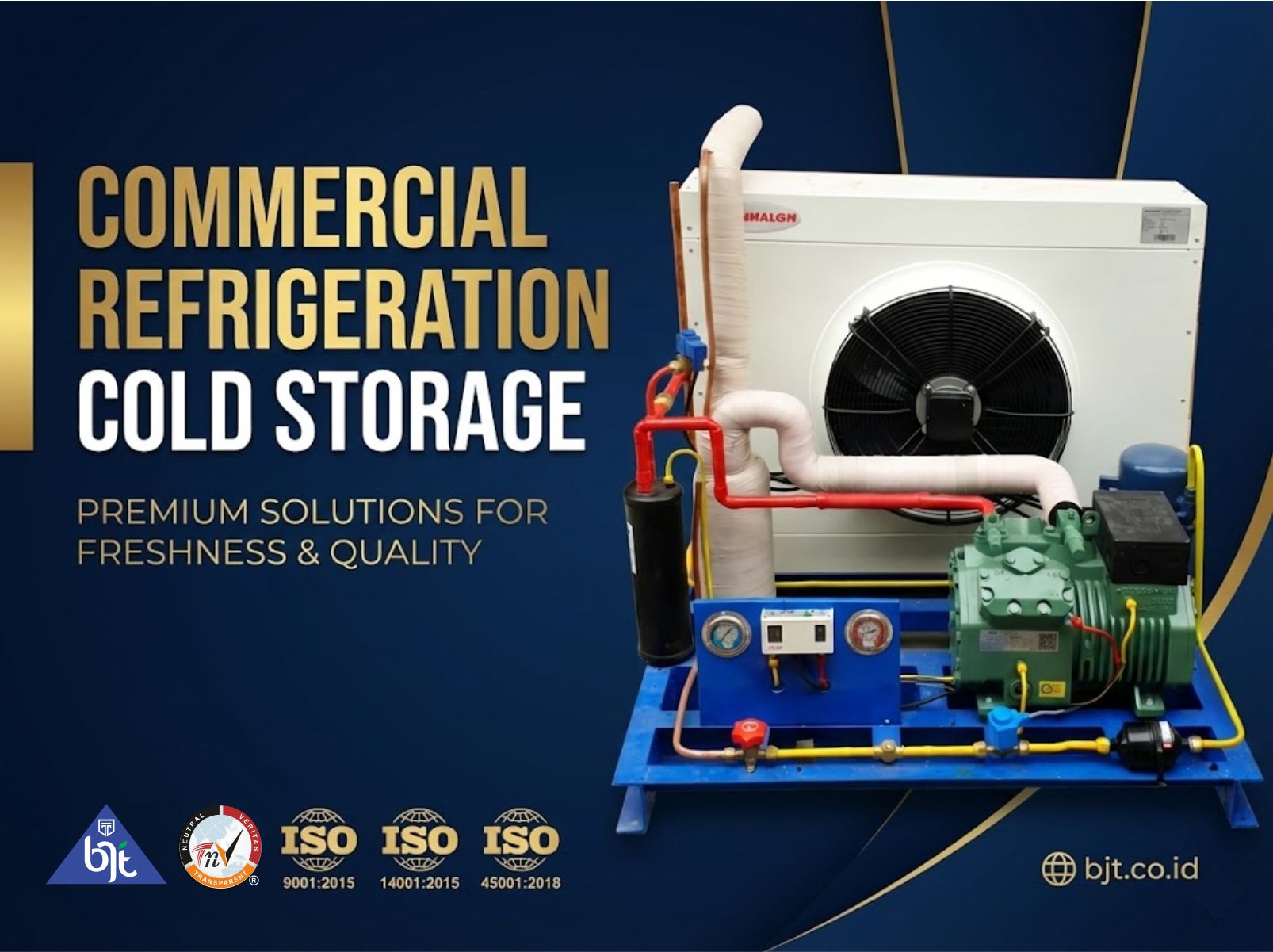

Cold Storage Freezers for Storing Ice Cream: Technology, Design, and Benefits
Ice cream is a beloved frozen dessert that demands careful storage conditions to maintain its texture, flavor, and quality. Cold storage freezers designed for ice cream must deliver ultra-low temperatures while ensuring uniform cooling, energy efficiency, and strict hygiene. In this article, we explore the key elements of ice cream cold storage freezers, from advanced refrigeration technology and digital controls to design features that protect the product and extend its shelf life.
1. Introduction
Ice cream is highly sensitive to temperature fluctuations and humidity levels. Improper storage can result in ice crystal formation, texture degradation, and loss of flavor. Modern cold storage freezers for ice cream are engineered to provide a consistent and controlled environment that keeps the product in optimal condition. These specialized freezers are crucial for manufacturers, distributors, and retailers who want to ensure that every scoop of ice cream meets high-quality standards.

Teknisi sedang melakukan penyambungan pipa dan instalasi panel untuk sistem ruang pendingin
2. Key Storage Requirements for Ice Cream
2.1 Temperature Control
-
Ultra-Low Temperatures: Ice cream is best stored at temperatures ranging from –20°C to –25°C (–4°F to –13°F). These ultra-low temperatures prevent ice crystal growth and maintain the smooth, creamy texture that consumers expect.
-
Consistency: Consistent temperature is crucial to prevent thawing and refreezing, which can damage the product. Advanced cold storage systems use precise control systems to maintain stable conditions throughout the storage chamber.
2.2 Humidity and Airflow
-
Controlled Humidity: Maintaining appropriate humidity levels is essential to avoid condensation on the product, which can lead to ice build-up and potential contamination.
-
Uniform Airflow: Even distribution of cold air is achieved through strategically placed fans and evaporators. This prevents the formation of cold or warm spots that might affect product quality.
2.3 Protection from Light and Contamination
-
Light Sensitivity: Although ice cream is less sensitive to light compared to some other food products, storage areas are designed to limit exposure to unnecessary light to prevent temperature fluctuations.
-
Hygiene: Freezers for ice cream are built with food-grade, easy-to-clean materials that help prevent microbial contamination, ensuring the product remains safe and of high quality.
3. Design and Infrastructure Considerations
3.1 Structural Materials and Insulation
-
Hygienic Construction: Interior surfaces are typically made from stainless steel or other food-grade materials. These surfaces are non-porous, resistant to corrosion, and easy to sanitize, which is vital for maintaining a hygienic storage environment.
-
High-Quality Insulation: The use of advanced insulation materials, such as polyurethane foam, helps maintain stable low temperatures by reducing thermal losses. Effective insulation also minimizes energy consumption and ensures uniform cooling.
3.2 Refrigeration System and Airflow Design
-
Refrigeration Components: Modern ice cream freezers include robust compressors, condensers, expansion valves, and evaporators. These components work together in a refrigeration cycle that efficiently extracts heat and maintains ultra-low temperatures.
-
Air Circulation: Large fan evaporators and strategic placement of air vents ensure even air circulation throughout the freezer. This uniform airflow is critical to prevent the formation of ice crystals and maintain product quality.
3.3 Zoning and Storage Layout
-
Dedicated Zones: Some facilities employ zoning within the freezer to optimize conditions for different types of ice cream or related frozen desserts. This ensures that variations in product formulations or packaging are accommodated.
-
Optimized Rack Systems: Adjustable shelving and pallet configurations allow for efficient use of space and easy access to products. A well-organized layout also facilitates better air circulation around the stored items.
4. Digital Controls and Automation
4.1 Real-Time Monitoring
-
Advanced Sensors: Temperature, humidity, and airflow sensors continuously monitor the freezer environment. These sensors feed data to a central control system, ensuring that any deviations are corrected immediately.
-
Automated Adjustments: Digital controllers automatically adjust compressor speeds and fan operations to maintain optimal storage conditions, reducing the risk of human error.
4.2 Remote Management and IoT Integration
-
Remote Access: Many modern systems integrate with IoT technology, allowing operators to monitor and adjust freezer conditions remotely via centralized dashboards.
-
Data Logging and Analytics: Continuous data logging supports detailed traceability and regulatory compliance. Analytics tools help optimize energy usage and predict maintenance needs, improving overall operational efficiency.
5. Operational Benefits
5.1 Product Quality and Shelf Life
-
Maintaining Texture and Flavor: Consistent ultra-low temperatures preserve the delicate balance of fats, sugars, and air that contribute to ice cream’s smooth texture and rich flavor.
-
Extended Shelf Life: By preventing the growth of ice crystals and limiting thaw-refreeze cycles, advanced freezers help extend the shelf life of ice cream products, reducing waste and ensuring consumer satisfaction.
5.2 Energy Efficiency and Cost Savings
-
Optimized Energy Use: Advanced insulation and smart control systems significantly reduce energy consumption, lowering operational costs.
-
Reduced Waste: By maintaining consistent storage conditions, ice cream freezers reduce product spoilage and quality degradation, resulting in overall cost savings.
5.3 Regulatory Compliance and Food Safety
-
Food Safety Standards: Modern freezers are designed to meet stringent food safety and quality standards, ensuring that ice cream remains safe for consumption.
-
Traceability: Comprehensive monitoring and data logging facilitate audits and help businesses comply with regulatory requirements.
6. Future Trends and Innovations
6.1 Integration of AI and Predictive Analytics
-
Predictive Maintenance: AI-driven analytics will enable predictive maintenance, helping to identify potential issues before they cause equipment failure.
-
Optimized Performance: Machine learning algorithms will further refine temperature control and energy usage, enhancing the overall efficiency of the storage system.
6.2 Sustainable and Eco-Friendly Designs
-
Green Refrigerants: The development and adoption of eco-friendly refrigerants with lower global warming potential will reduce the environmental impact of ice cream freezers.
-
Renewable Energy Integration: Future systems may incorporate renewable energy sources, such as solar panels, to further improve sustainability and reduce energy costs.
6.3 Modular and Scalable Systems
-
Flexible Configurations: Modular designs will allow businesses to scale their storage capacity as needed, accommodating seasonal variations in demand without disrupting operations.
-
Customizable Solutions: Future freezer designs will offer greater customization options, ensuring that storage systems can be precisely tailored to meet the specific needs of various ice cream products.
7. Conclusion
Cold storage freezers for ice cream play a vital role in preserving product quality and extending shelf life. By leveraging advanced refrigeration technology, precise digital controls, and thoughtful design features, these systems maintain the ultra-low temperatures essential for preventing ice crystal formation and ensuring a smooth, creamy texture.
The integration of smart monitoring, remote management, and sustainable practices not only enhances operational efficiency but also supports regulatory compliance and reduces energy consumption. As technology continues to evolve, the next generation of ice cream freezers will offer even greater precision, adaptability, and environmental benefits, solidifying their importance in the modern food supply chain.
Investing in state-of-the-art cold storage freezers is essential for manufacturers, distributors, and retailers who are committed to delivering high-quality ice cream products. With ongoing advancements in technology and a growing focus on sustainability, these systems will continue to set the standard for food preservation and operational excellence in the frozen dessert industry.