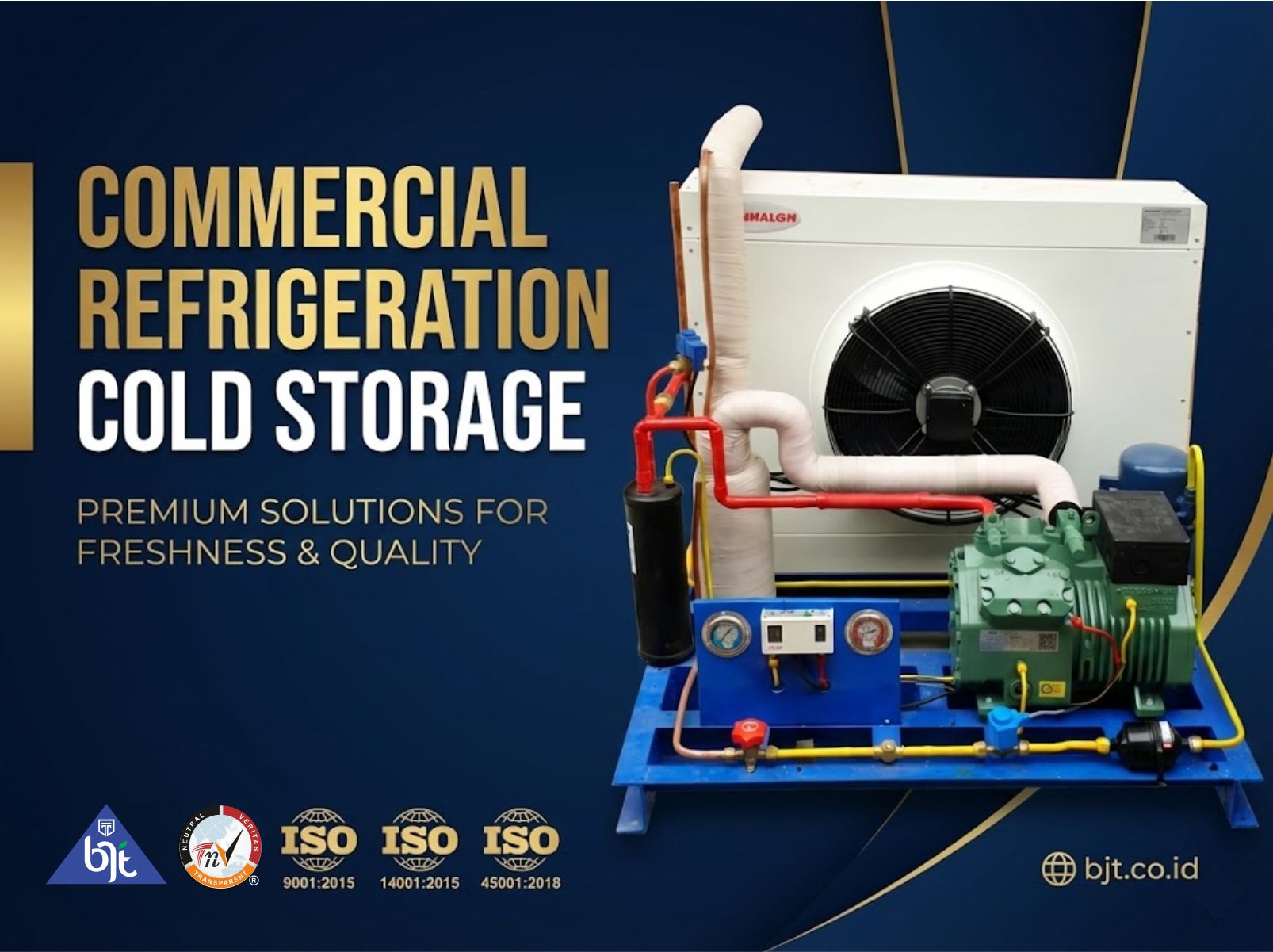

Cold Storage for Storing Herbal and Spice Products
Herbal and spice products are highly valued for their flavor, aroma, and medicinal properties. However, these natural products are also susceptible to quality degradation if not stored under optimal conditions. Cold storage facilities offer a reliable solution to maintain the freshness, potency, and overall quality of these products by providing a controlled environment that minimizes degradation. In this article, we explore the design, technology, operational benefits, and best practices for cold storage systems tailored for herbal and spice products.
1. Introduction
Herbs and spices have been an integral part of culinary and medicinal traditions for centuries. Their volatile compounds, which provide distinctive flavors and therapeutic benefits, are highly sensitive to temperature, humidity, and light. Improper storage can lead to a loss of aroma, flavor, and nutritional value, while also promoting microbial growth and oxidation. Cold storage facilities are engineered to address these challenges by providing a stable, low-temperature environment that helps preserve these delicate compounds. This article examines how modern cold storage solutions can be customized to meet the unique needs of herbal and spice products.
2. Unique Storage Requirements for Herbal and Spice Products
2.1 Temperature Control
-
Preservation of Volatile Compounds: Herbs and spices contain essential oils and volatile compounds responsible for their aroma and flavor. Storing them at a consistently low temperature helps minimize the evaporation and degradation of these compounds.
-
Optimal Temperature Range: Although the ideal temperature can vary depending on the specific herb or spice, many products benefit from a storage temperature ranging from 0°C to 8°C (32°F to 46°F). This range is low enough to slow down biochemical reactions without causing condensation that might damage the product.
2.2 Humidity and Airflow
-
Humidity Control: Maintaining appropriate humidity levels is critical. Too much moisture can lead to mold growth and clumping, while too little can cause the product to become overly dry and lose potency. A controlled relative humidity (RH) of around 60% to 70% is often ideal.
-
Air Circulation: Uniform airflow is essential to ensure that the temperature and humidity levels remain consistent throughout the storage space. Proper air circulation prevents the formation of microclimates that could compromise product quality.
2.3 Protection from Light and Contaminants
-
Light Sensitivity: Many herbal and spice products are light-sensitive, and exposure to direct light can degrade their quality. Cold storage facilities often incorporate dark or UV-resistant interiors to minimize light exposure.
-
Hygienic Environment: The storage area must be free of dust, pests, and contaminants to maintain the purity of the products. Surfaces should be non-porous and easy to clean.
3. Design and Infrastructure of Cold Storage Facilities for Herbs and Spices
3.1 Construction Materials and Insulation
-
Hygienic Surfaces: Stainless steel or specialized food-grade materials are preferred for the interior surfaces due to their ease of cleaning and resistance to corrosion. These materials help maintain a sanitary environment critical for herbal and spice storage.
-
High-Performance Insulation: Effective insulation, such as high-density polyurethane foam, is used in the walls, ceilings, and floors to minimize temperature fluctuations and reduce energy consumption. This insulation ensures that the cold storage remains at a stable temperature despite external environmental variations.
3.2 Zoning and Modular Layout
-
Dedicated Storage Zones: To accommodate different types of herbal and spice products with varying storage requirements, cold rooms can be divided into zones with independent temperature and humidity controls.
-
Modular Design: A modular layout allows for flexible reconfiguration as storage needs change. This design is particularly beneficial for facilities handling a wide variety of products, enabling them to adjust storage parameters quickly and efficiently.
3.3 Advanced Refrigeration and Airflow Systems
-
Efficient Refrigeration Units: Modern cold storage systems use advanced refrigeration cycles, including compressors, condensers, evaporators, and expansion valves, to maintain a consistent low temperature.
-
Uniform Airflow: Large fan evaporators and strategically placed air vents ensure that cold air is evenly distributed throughout the facility. This uniform airflow helps prevent temperature gradients and ensures that all products are stored under optimal conditions.
4. Digital Controls and Automation
4.1 Real-Time Monitoring
-
Sensor Integration: Temperature, humidity, and airflow sensors continuously monitor the conditions within the cold storage facility. Data from these sensors is fed into centralized digital control systems, ensuring that any deviations from set parameters are detected immediately.
-
Automated Alerts: In the event of a temperature or humidity deviation, automated alarms notify operators to take corrective action promptly, minimizing the risk of product degradation.
4.2 Remote Access and Control
-
IoT Integration: Many modern cold storage systems are integrated with Internet of Things (IoT) technology, allowing for remote monitoring and control. This connectivity provides facility managers with the ability to adjust settings and troubleshoot issues from a centralized dashboard, even when off-site.
-
Data Logging and Analytics: Continuous data logging allows for detailed record-keeping, which is essential for quality assurance, regulatory compliance, and traceability. Analytics can also be applied to optimize energy consumption and maintenance schedules.
5. Operational Benefits
5.1 Quality Preservation and Extended Shelf Life
-
Maintaining Potency: Consistent temperature and humidity control preserve the essential oils and active compounds in herbs and spices, ensuring that they retain their flavor, aroma, and medicinal properties.
-
Reduced Degradation: By minimizing exposure to adverse conditions, cold storage reduces oxidation, microbial growth, and other processes that lead to product degradation, thereby extending shelf life.
5.2 Energy Efficiency and Cost Savings
-
Optimized Systems: Advanced insulation, smart controls, and efficient refrigeration systems work together to reduce energy consumption, lowering operational costs.
-
Minimized Waste: By extending the shelf life of herbal and spice products, cold storage facilities help reduce waste and improve profitability for producers and distributors.
5.3 Regulatory Compliance and Traceability
-
Food Safety Standards: Adhering to stringent storage guidelines is critical for maintaining food safety. Cold storage systems are designed to meet international standards, helping businesses comply with regulatory requirements.
-
Enhanced Traceability: Detailed monitoring and data logging facilitate traceability, which is essential during audits, recalls, or quality assurance processes.
6. Future Trends and Innovations
6.1 Increased Integration with AI and IoT
-
Predictive Maintenance: Future cold storage systems will increasingly use AI-driven predictive maintenance to reduce downtime and optimize performance.
-
Enhanced Data Analytics: With more robust IoT integration, analytics will play a greater role in optimizing storage conditions, energy usage, and overall system performance.
6.2 Sustainable and Eco-Friendly Solutions
-
Green Refrigerants: The shift toward refrigerants with lower environmental impact will continue, reducing the carbon footprint of cold storage facilities.
-
Renewable Energy Integration: Solar panels and other renewable energy sources may be integrated into future designs to further reduce energy costs and promote sustainability.
6.3 Modular and Customizable Designs
-
Flexible Storage Solutions: As the demand for diverse herbal and spice products grows, cold storage facilities will adopt more modular designs, allowing for rapid reconfiguration based on market needs.
-
Scalable Systems: Future designs will focus on scalability, enabling businesses to expand their cold storage capacity without compromising on efficiency or product quality.
7. Conclusion
Cold storage facilities for herbal and spice products are crucial for preserving the quality, flavor, and efficacy of these valuable commodities. By maintaining optimal temperature, humidity, and airflow, these systems protect delicate compounds from degradation while extending shelf life and reducing waste. Advances in digital controls, IoT integration, and energy-efficient design continue to enhance the performance and reliability of cold storage systems.
As the food and herbal product industries evolve, investing in state-of-the-art cold storage solutions will be essential for businesses seeking to maintain high quality standards, ensure regulatory compliance, and achieve cost savings. With ongoing advancements in technology and sustainable practices, the future of cold storage for herbs and spices looks promising, offering even greater benefits in terms of efficiency, scalability, and environmental impact.