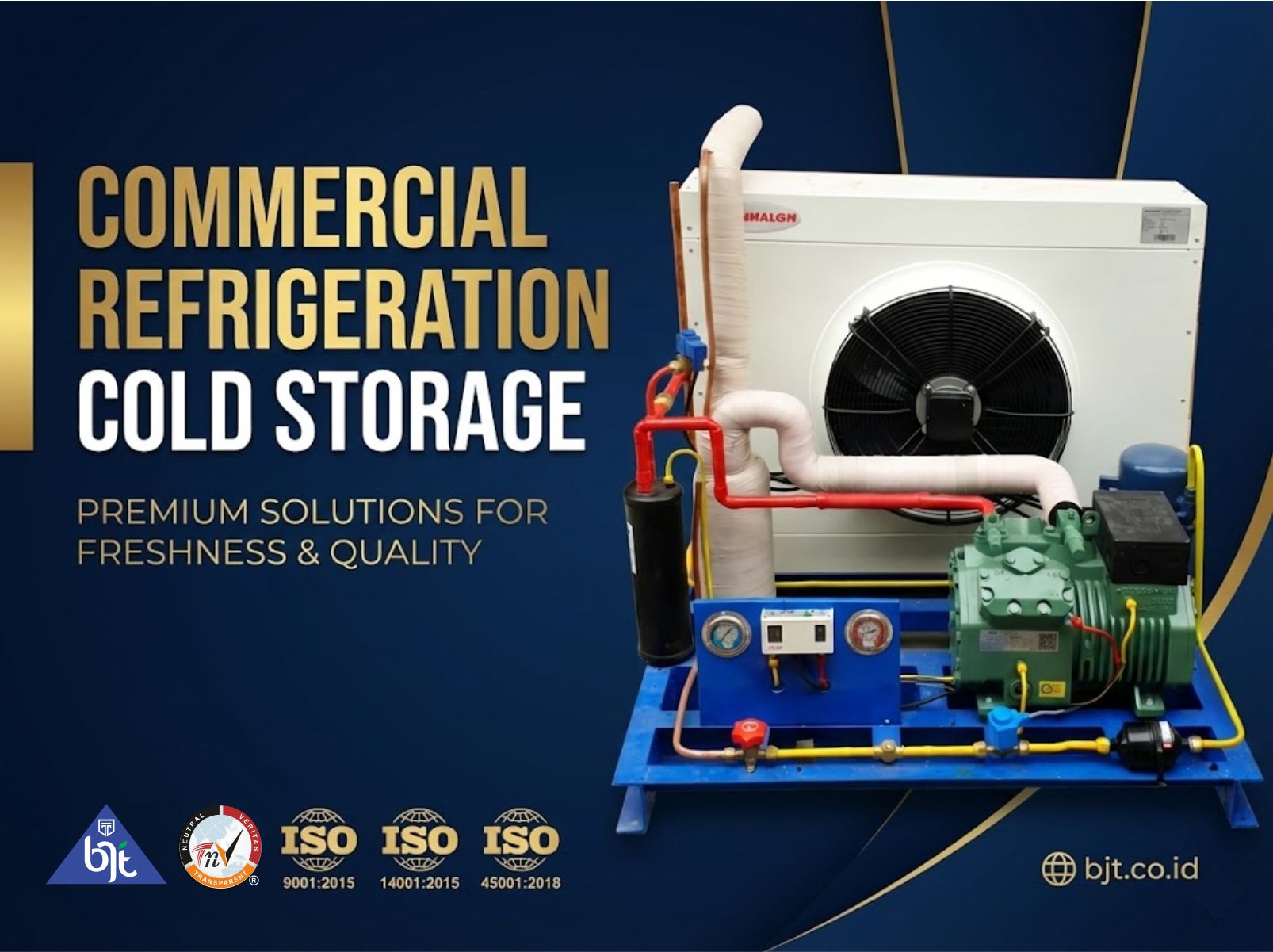

Cold Storage Room Freezers for Meat
Technology, Design, and Operational Benefits
Cold storage room freezers play a critical role in preserving the quality, safety, and shelf life of meat products. As the food industry faces increasing demands for high standards of hygiene and efficiency, advanced freezing solutions ensure that meat remains fresh from processing to consumer delivery. This article explores the underlying technology, design features, operational benefits, and emerging trends in cold storage room freezers specifically designed for meat storage.
1. Introduction
Meat is one of the most perishable food items due to its susceptibility to bacterial growth and chemical changes when exposed to improper temperatures. Cold storage room freezers are engineered to create a controlled environment that maintains extremely low temperatures, ensuring that meat products remain safe, nutritious, and visually appealing. This article provides an overview of how modern meat freezers work, their design and layout considerations, and the benefits they bring to meat processing facilities, distribution centers, and retail outlets.
2. Technology Behind Meat Cold Storage Room Freezers
2.1 Advanced Refrigeration Systems
At the core of meat freezers lies a sophisticated refrigeration system that continuously extracts heat from the storage room. Key components include:
-
Compressors: Compress refrigerant gas to increase its pressure and temperature before it passes through a condenser.
-
Condensers: Release the heat from the refrigerant, causing it to condense into a liquid.
-
Expansion Valves: Lower the refrigerant’s pressure, allowing it to cool rapidly.
-
Evaporators: Absorb heat from the air inside the freezer, ensuring the room remains at or below freezing temperatures.
These cycles work together to maintain temperatures typically below –18°C (0°F), which is ideal for preserving meat over long periods.
2.2 Uniform Airflow and Evaporator Design
Uniform temperature distribution is critical in preventing the formation of hot spots or areas of inadequate cooling. Modern meat freezers employ large, strategically placed fan evaporators mounted on walls and ceilings. These units circulate the cold air evenly throughout the storage space, ensuring that every corner of the cold room maintains the desired temperature. Consistent airflow not only preserves meat quality but also reduces the risk of spoilage due to localized temperature fluctuations.
2.3 Digital Temperature Control and Automation
Digital control systems and advanced sensors have transformed meat freezer operations. Key features include:
-
Real-Time Monitoring: Sensors continuously track temperature, humidity, and airflow, providing operators with up-to-date data.
-
Automated Adjustments: Digital controllers can automatically adjust refrigeration settings if temperatures deviate from preset ranges.
-
Remote Monitoring: Integration with the Internet of Things (IoT) allows for remote oversight, enabling swift responses to any issues and reducing downtime.
-
Predictive Maintenance: Some systems employ AI and data analytics to forecast potential equipment failures, ensuring timely maintenance and uninterrupted operation.
3. Design Considerations and Layout
3.1 Structural Materials and Insulation
The interior of a meat cold storage room freezer is designed for durability, hygiene, and efficiency:
-
Materials: Stainless steel is commonly used for walls, ceilings, and floors due to its non-corrosive and easy-to-clean properties. Its smooth surface helps maintain a sanitary environment essential for meat storage.
-
Insulation: High-density insulation materials, such as polyurethane foam, are used to minimize thermal loss. Effective insulation not only helps maintain stable temperatures but also reduces energy consumption.
3.2 Storage Organization and Rack Systems
Efficient space utilization is vital in meat storage:
-
Customizable Racks: Adjustable stainless steel racks allow for the organized storage of various meat cuts. They facilitate proper airflow around products and help prevent cross-contamination.
-
Optimized Layout: A well-planned layout enables quick access to stored meat, streamlines inventory management, and ensures that products are evenly distributed throughout the cold room.
3.3 Safety and Hygiene Features
Food safety is paramount in meat storage:
-
Hygienic Surfaces: Non-porous, easy-to-clean surfaces reduce the risk of bacterial contamination.
-
Safety Alarms: Integrated alarms notify staff if temperatures deviate or if there are malfunctions, ensuring prompt corrective actions.
-
Access Controls: Secure door systems and interlocks prevent unauthorized access, maintaining the integrity of the cold storage environment.
4. Operational Benefits
4.1 Enhanced Product Quality and Longevity
Maintaining a consistently low temperature in a meat freezer is essential for quality preservation:
-
Shelf Life Extension: Stable, low temperatures slow down enzymatic and microbial activity, extending the shelf life of meat products.
-
Preservation of Texture and Flavor: Proper freezing prevents the formation of large ice crystals, preserving the meat’s texture and flavor.
-
Nutritional Retention: By minimizing oxidation and nutrient loss, advanced freezing helps retain the nutritional value of meat.
4.2 Energy Efficiency and Cost Savings
Energy consumption is a significant operational cost in cold storage facilities:
-
Smart Systems: Advanced insulation and efficient compressor systems, combined with automated controls, reduce energy consumption.
-
Cost Efficiency: Optimized temperature control and uniform airflow minimize the risk of product spoilage, translating into cost savings by reducing waste and increasing overall operational efficiency.
4.3 Regulatory Compliance and Food Safety
Modern meat freezers help businesses comply with stringent food safety standards:
-
Adherence to Guidelines: Consistent low temperatures and hygienic storage conditions meet international food safety and quality standards.
-
Data Logging: Automated systems provide detailed records of temperature and environmental conditions, facilitating audits and ensuring regulatory compliance.
5. Future Trends in Meat Cold Storage Freezers
5.1 Integration with AI and IoT
The future of cold storage technology lies in greater connectivity and smarter systems:
-
Predictive Analytics: AI-driven systems will predict maintenance needs and optimize performance, further reducing downtime.
-
Remote Management: Enhanced IoT integration will enable even more precise control and real-time adjustments from remote locations.
5.2 Sustainable Technologies
Sustainability remains a key focus in the development of cold storage solutions:
-
Eco-Friendly Refrigerants: Manufacturers are transitioning to refrigerants with lower global warming potential, reducing the environmental impact.
-
Energy Harvesting: Innovations in renewable energy sources, such as solar power integration, are expected to further reduce the energy footprint of meat freezers.
5.3 Modular and Scalable Designs
As market demands evolve, cold storage facilities must remain flexible:
-
Modular Systems: Future designs will feature modular components that can be easily expanded or reconfigured to meet changing storage needs.
-
Scalability: Businesses will benefit from scalable solutions that allow for gradual expansion without disrupting existing operations.
6. Conclusion
Cold storage room freezers for meat are indispensable assets in the modern food supply chain. By leveraging advanced refrigeration technology, precise digital controls, and intelligent design, these systems ensure that meat products remain safe, high-quality, and ready for market over extended periods. Their benefits extend beyond product preservation; improved energy efficiency, operational cost savings, and enhanced regulatory compliance make them a critical investment for food processing and distribution businesses.
Looking ahead, the integration of AI, IoT, and sustainable practices promises to further transform meat cold storage, driving even greater efficiency and environmental responsibility. As the food industry continues to innovate, investing in state-of-the-art cold storage freezers will remain essential for maintaining competitiveness and ensuring that consumers receive only the best quality products.
This comprehensive overview has detailed the technology, design, operational benefits, and future prospects of meat cold storage room freezers. By understanding these aspects, businesses can better appreciate the value of advanced freezing systems and make informed decisions to safeguard product quality and optimize their operations in an increasingly demanding market.