
Cold Rooms for Fruits and Beef: Technology, Design, and Best Practices
Cold storage facilities are essential in modern food supply chains, ensuring that perishable goods like fruits and beef maintain their quality, freshness, and safety throughout the storage and distribution process. While fruits and beef have different optimal storage conditions, many facilities have developed versatile cold rooms that can handle both categories with careful planning and advanced technology. This article explores the unique requirements and design considerations of cold rooms for fruits and beef, the technologies employed to maintain ideal storage conditions, and the benefits they offer to food producers and distributors.

1. Understanding the Storage Needs of Fruits and Beef
1.1 Temperature Requirements
Different types of produce require different temperature ranges to slow down spoilage and maintain freshness.
-
Fruits: Many fruits are best preserved in a controlled atmosphere where temperatures typically range from 0°C to 5°C (32°F to 41°F). These conditions slow down respiration and ripening processes while also minimizing moisture loss.
-
Beef: Beef storage depends on whether the product is to be kept chilled or frozen. Chilled beef is typically stored at 0°C to 4°C (32°F to 39°F) to keep it fresh without freezing, while frozen beef is stored at temperatures below -18°C (0°F) to ensure long-term preservation.
1.2 Humidity and Air Circulation
Both fruits and meat benefit from controlled humidity and efficient air circulation:
-
Humidity Control: High humidity levels are critical for fruits to prevent dehydration and maintain texture, while beef requires slightly lower humidity levels to reduce the risk of surface microbial growth.
-
Air Circulation: Uniform airflow is essential to avoid cold or warm spots, ensuring that all stored products are exposed to consistent temperatures. This is typically achieved through the use of strategically placed evaporators and fans.
2. Cold Room Design and Infrastructure
2.1 Structural Materials and Layout
Cold rooms are engineered with materials that support hygienic conditions and optimal insulation:
-
Materials: Stainless steel, high-density polyurethane foam, and other non-corrosive, easy-to-clean materials are commonly used in constructing cold rooms. Stainless steel surfaces are ideal due to their durability and hygienic properties.
-
Layout: The internal layout is designed to maximize space while ensuring easy access to products. Adjustable racks and shelving systems help organize fruits and beef separately, reducing cross-contamination and streamlining inventory management.
2.2 Zoning and Temperature Segmentation
For facilities storing both fruits and beef, zoning within the cold room is critical:
-
Separate Zones: Dedicated zones with separate temperature controls may be implemented. For example, one area might maintain the slightly higher temperatures required for fruits, while another area is set to lower temperatures for beef.
-
Flexible Systems: Modern cold rooms are equipped with multi-zone temperature control systems, allowing operators to customize settings based on current inventory needs.
2.3 Advanced Refrigeration Systems
The heart of any cold room is its refrigeration system:
-
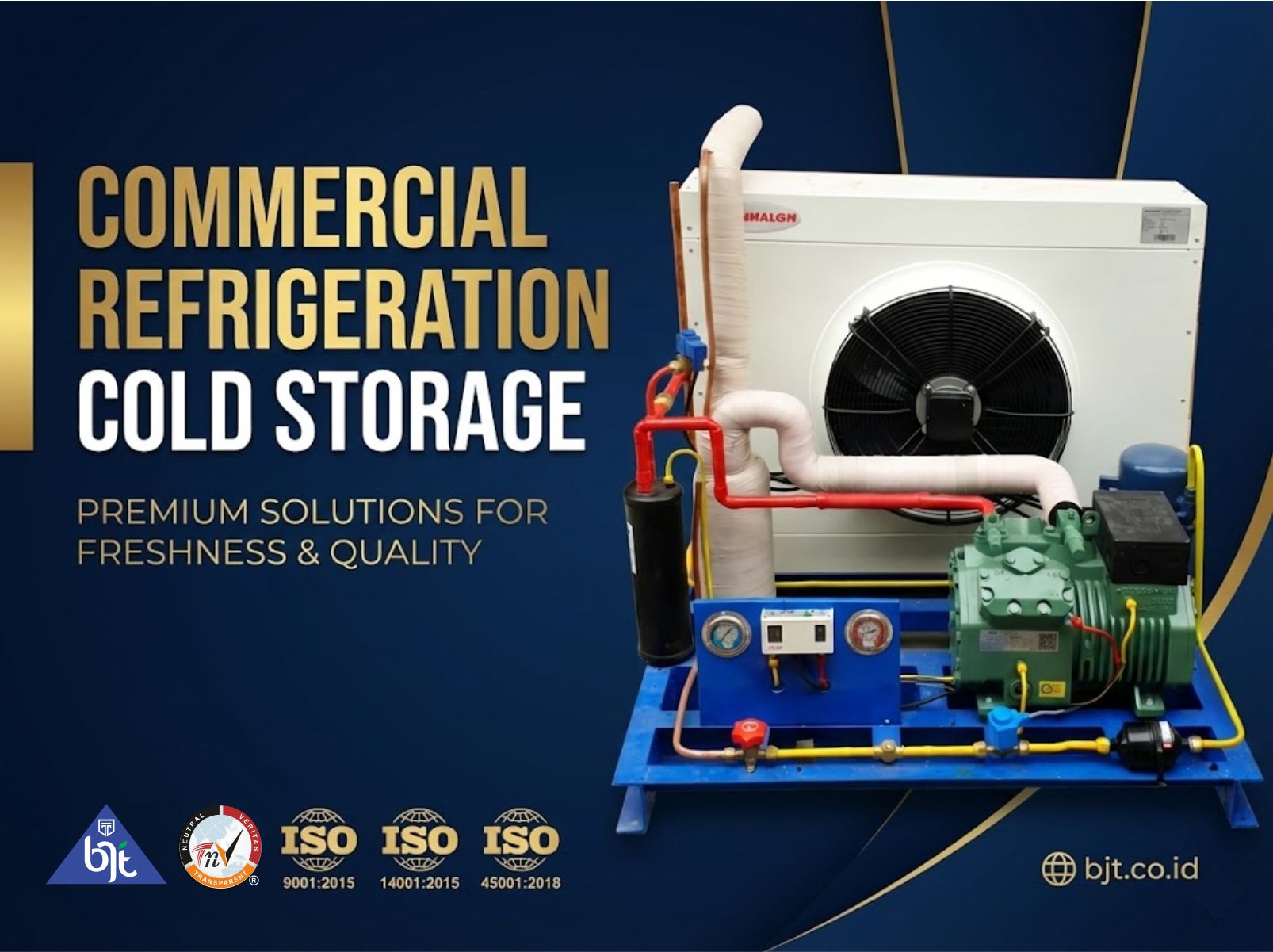
Evaporators and Fans: Large fan evaporators ensure even temperature distribution. These are typically installed on both walls and ceilings to maintain uniform cooling.
-
Digital Controls: Temperature sensors and digital controllers provide real-time monitoring and adjustments. Integration with automated systems and the Internet of Things (IoT) allows for predictive maintenance and energy optimization.
-
Energy Efficiency: High-performance compressors and smart control algorithms minimize energy consumption, which is critical in large-scale operations.
3. Operational Benefits and Best Practices
3.1 Enhanced Product Quality and Shelf Life
Proper cold room management directly translates to longer shelf life and superior product quality:
-
Fruits: By controlling temperature and humidity, cold rooms slow down the natural ripening process, preserving flavor, color, and nutritional value.
-
Beef: Maintaining precise chilling or freezing conditions prevents bacterial growth and oxidation, ensuring that beef remains safe and of high quality until it reaches consumers.
3.2 Reduced Food Waste and Improved Efficiency
Cold storage plays a vital role in reducing food waste:
-
Minimizing Spoilage: Consistent environmental control reduces spoilage, which is a major issue in perishable goods. This not only preserves product quality but also contributes to lower overall costs.
-
Operational Efficiency: Automated systems reduce the need for constant manual checks, allowing staff to focus on other critical operational tasks. Remote monitoring and real-time alerts help address any issues promptly, minimizing downtime.
3.3 Compliance with Safety Standards
Adhering to stringent food safety standards is non-negotiable in the food industry:
-
Regulatory Compliance: Cold rooms are designed to meet international food safety guidelines, ensuring that both fruits and meat products are stored in environments that minimize contamination risks.
-
Documentation and Traceability: Many modern systems include features for data logging and traceability, which are crucial during audits and inspections.
4. Future Trends in Cold Room Technology
4.1 Integration of AI and Machine Learning
The next generation of cold storage systems will increasingly incorporate artificial intelligence:
-
Predictive Maintenance: AI algorithms can predict equipment failures and optimize maintenance schedules, reducing unexpected downtimes.
-
Smart Analytics: Machine learning models analyze historical data to optimize energy consumption and predict changes in product conditions, enhancing overall operational efficiency.
4.2 Sustainable and Eco-Friendly Designs
Environmental sustainability is a growing focus in cold storage:
-
Eco-Friendly Refrigerants: New refrigerants with lower global warming potential are being adopted, reducing the environmental impact.
-
Energy-Saving Technologies: Advances in insulation materials, compressor efficiency, and renewable energy integration (such as solar power) are expected to make cold rooms even more energy efficient.
4.3 Customizable and Modular Systems
Modularity and customization will be key:
-
Scalability: As market demands evolve, modular cold rooms allow companies to expand or reconfigure their storage facilities with minimal disruption.
-
Flexible Zoning: Future designs will offer more flexible zoning capabilities, enabling quick adjustments between different storage conditions for various products.
5. Conclusion
Cold rooms for storing fruits and beef are critical components of modern food supply chains. By combining advanced refrigeration technology, precise temperature control, and smart design features, these facilities not only preserve product quality but also enhance operational efficiency and sustainability. Whether dealing with the delicate balance of humidity for fruits or the stringent requirements for safe beef storage, modern cold rooms offer tailored solutions to meet diverse needs.
As technology continues to advance, the integration of AI, IoT, and eco-friendly practices will further transform cold storage solutions, making them more efficient, adaptable, and environmentally sustainable. For businesses in the food industry, investing in state-of-the-art cold room technology is not just a necessity—it is a strategic move toward ensuring food safety, reducing waste, and meeting the growing demands of global consumers.
This article has outlined the importance, design considerations, and future trends in cold rooms specifically designed for fruits and beef. By leveraging modern technology and best practices, these facilities ensure that perishable products remain fresh, safe, and of the highest quality throughout their journey from storage to consumption.