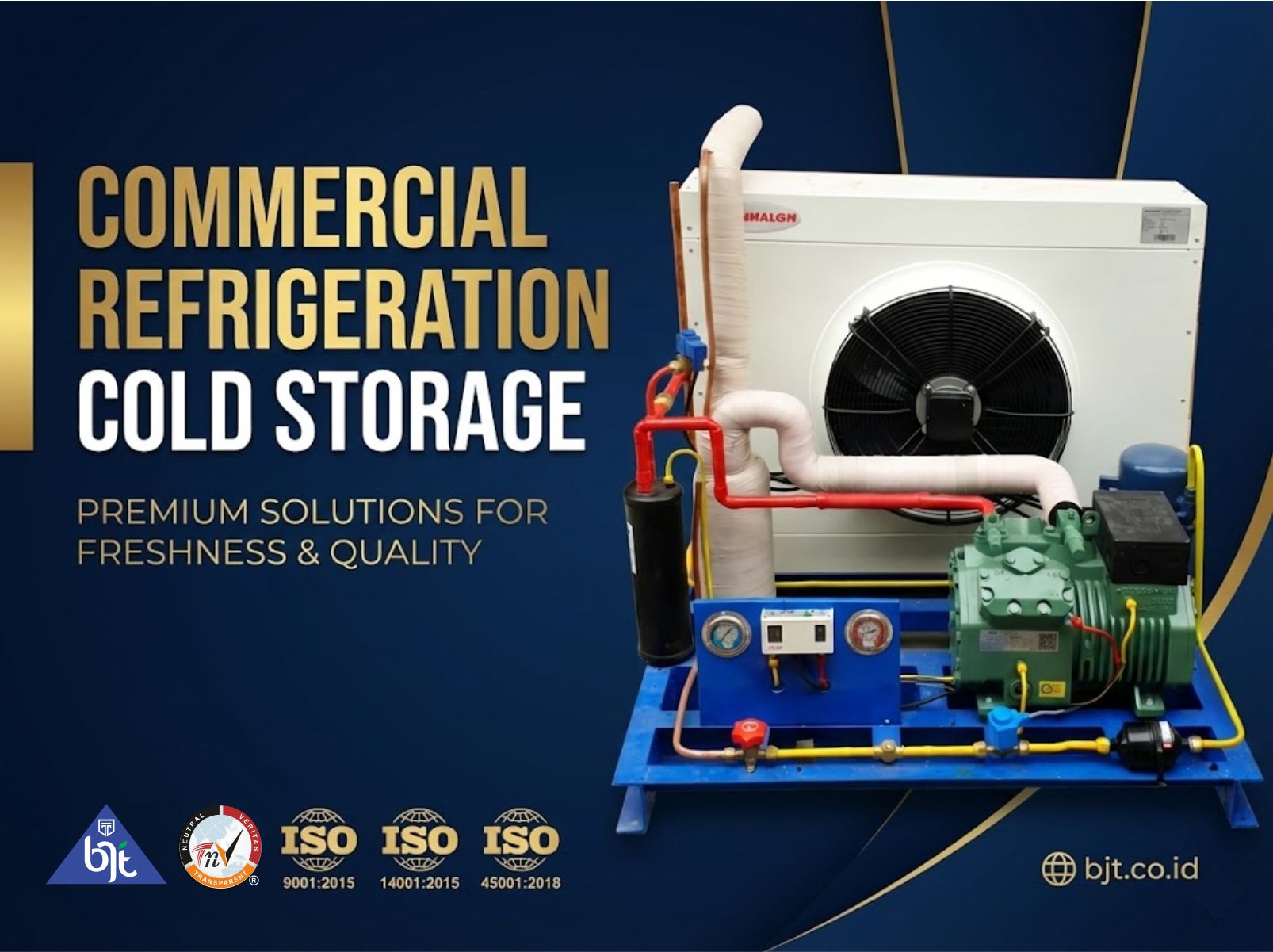

Meat Cold Storage Freezer Machines: Innovations, Technologies, and Benefits
In today’s competitive food industry, ensuring that meat products remain fresh, safe, and of high quality is paramount. This is where meat cold storage freezer machines come into play. These advanced refrigeration systems are designed to maintain extremely low temperatures for meat storage, preserving texture, flavor, and nutritional value while minimizing spoilage and contamination risks. In this article, we will explore the technology behind meat cold storage freezers, their advantages, design elements, and how they are shaping the future of food processing and distribution.
1. Introduction
The food industry is continually evolving to meet increasing consumer demand for high-quality, safe, and fresh products. Meat, in particular, is highly perishable and sensitive to temperature fluctuations. Cold storage freezer machines provide an effective solution to this challenge by maintaining stable, low-temperature environments that inhibit bacterial growth and chemical changes. These machines are not only critical in meat processing facilities but also in retail and distribution centers where maintaining product integrity is essential.
2. The Technology Behind Meat Cold Storage Freezers
2.1 Refrigeration Systems and Cooling Mechanisms
At the core of any cold storage freezer machine is its refrigeration system. These systems use advanced compressors, condensers, evaporators, and expansion valves to achieve and maintain low temperatures—often as low as minus 20°C or even lower. The cycle of compression, condensation, expansion, and evaporation allows the system to continuously extract heat from the storage space and dissipate it, thus ensuring a consistently cold environment.
2.2 Advanced Evaporators and Airflow Management
Modern cold storage freezers are equipped with large fan evaporators that circulate the cold air uniformly throughout the storage chamber. This uniform distribution is essential to avoid temperature variations, often referred to as “cold spots” or “hot spots,” which can lead to uneven cooling. The integration of multiple evaporators—mounted strategically on walls and ceilings—ensures that all stored meat products receive consistent cooling, maintaining the quality and safety of the meat.
2.3 Temperature Control and Automation
State-of-the-art meat freezer systems incorporate sophisticated sensors and digital controllers to monitor and adjust the temperature in real time. Automation systems allow for continuous data logging and remote monitoring, so any deviation from preset temperature ranges can be immediately corrected. Some models even integrate with Internet of Things (IoT) platforms, offering predictive maintenance capabilities and energy consumption analytics. This technological integration not only ensures consistent performance but also extends the lifespan of the equipment while reducing energy costs.
2.4 Energy Efficiency and Environmental Considerations
Cold storage freezer machines are designed to operate efficiently, despite the high energy demand of maintaining extremely low temperatures. Advances in compressor technology, improved insulation materials, and smart control systems have significantly reduced energy consumption. Many manufacturers are also focusing on environmentally friendly refrigerants that have lower global warming potential, thereby contributing to sustainability goals in the food industry.
3. Advantages of Using Meat Cold Storage Freezer Machines
3.1 Preservation of Quality and Safety
The primary advantage of these freezer machines is their ability to preserve meat quality. By maintaining constant low temperatures, they effectively slow down enzymatic activities and microbial growth. This not only extends the shelf life of meat products but also ensures that the meat remains safe for consumption. Consistent freezing helps maintain the texture, flavor, and nutritional profile of meat, which are critical factors for both consumers and foodservice providers.
3.2 Reduction in Food Waste
Food waste is a significant concern globally, and meat spoilage contributes a large share of this problem. By using advanced cold storage freezer machines, producers and distributors can significantly reduce spoilage rates. Maintaining a controlled environment ensures that meat products stay fresh longer, reducing the need for frequent restocking and minimizing losses due to spoilage.
3.3 Operational Efficiency
Automation and advanced monitoring systems integrated into modern cold storage freezers enhance operational efficiency. Automated alerts, remote monitoring, and precise temperature control reduce the need for manual intervention and allow for faster responses to potential issues. This minimizes downtime and ensures that the storage environment remains optimal, even during peak operations.
3.4 Compliance with Health Regulations
In many countries, strict health regulations govern the storage and distribution of perishable food items. Meat cold storage freezer machines are designed to comply with these regulations by providing an environment that meets or exceeds safety standards. The consistent temperature control and sanitary design of these machines help businesses adhere to local and international food safety standards, thereby reducing the risk of non-compliance and associated penalties.
4. Design Elements of Meat Cold Storage Freezer Machines
4.1 Structural Design and Materials
Cold storage freezer machines are built with durability and hygiene in mind. The internal walls, ceilings, and floors are often made of stainless steel or other non-corrosive, easy-to-clean materials. Stainless steel is favored not only for its durability but also for its sleek appearance and hygienic properties, making it ideal for food storage. A well-designed internal structure minimizes crevices and gaps where contaminants could accumulate, thus simplifying the cleaning process.
4.2 Layout and Rack Systems
Inside a cold storage freezer, organization is key. Modern designs incorporate adjustable stainless steel racks that can be customized to store different types of meat products, from whole cuts to ground meat. The layout is meticulously planned to ensure efficient use of space while facilitating easy access and inventory management. A well-organized cold storage system helps in streamlining the handling and distribution process, reducing the risk of cross-contamination and ensuring that each product is stored under optimal conditions.
4.3 Integration of Control Panels and User Interfaces
User-friendly control panels and interfaces are an integral part of modern cold storage freezers. These interfaces allow operators to set, monitor, and adjust temperature settings with ease. Digital displays provide real-time data on temperature, humidity, and energy consumption. Some advanced systems also feature touch-screen interfaces and connectivity options, allowing for integration with central monitoring systems and enabling remote diagnostics and troubleshooting.
4.4 Safety and Maintenance Features
Safety features are critical in meat cold storage freezer machines. Many units include alarms that alert operators to any deviations in temperature or equipment malfunctions. Additionally, the design often includes features such as door interlocks, which prevent unauthorized access and ensure that the cold storage environment remains stable. Routine maintenance is also simplified through modular designs that allow for easy replacement or servicing of individual components, thereby minimizing downtime and ensuring consistent performance.
5. Industry Applications and Case Studies
5.1 Meat Processing Facilities
In meat processing plants, cold storage freezer machines are essential for maintaining product quality during processing and packaging. These facilities rely on efficient freezer systems to store large quantities of meat before it is distributed to retail outlets or foodservice providers. The integration of automated monitoring systems ensures that the meat remains within the required temperature range at all times, even during high-volume processing periods.
5.2 Distribution Centers and Logistics
For distribution centers, maintaining the cold chain is critical. Meat cold storage freezers ensure that products remain frozen from the moment they leave the processing facility until they reach their final destination. This is particularly important for international shipments where transit times can be long. Efficient and reliable freezer machines help in maintaining product integrity, thereby reducing losses and enhancing customer satisfaction.
5.3 Retail and Foodservice Applications
Retailers and foodservice providers, such as supermarkets, restaurants, and catering companies, also benefit from advanced cold storage freezer machines. In these settings, the ability to quickly access fresh, high-quality meat products is essential for daily operations. Modern freezer systems with rapid cooling and precise temperature control allow these businesses to manage inventory effectively, ensure food safety, and provide consumers with consistently high-quality products.
5.4 Case Study: Enhancing Efficiency in a Large-Scale Meat Distributor
Consider the example of a large-scale meat distributor that recently upgraded its cold storage facilities. By installing a new line of meat cold storage freezer machines equipped with IoT-enabled monitoring systems, the company achieved significant improvements in energy efficiency and product quality. The automated systems reduced manual monitoring requirements and allowed for early detection of potential temperature deviations. As a result, the distributor reported a notable reduction in spoilage rates and energy costs, ultimately enhancing overall profitability and customer satisfaction.
6. Future Trends in Meat Cold Storage Freezer Technology
6.1 Advancements in Smart Technology
The future of meat cold storage freezer machines lies in smart technology and automation. With the increasing adoption of IoT devices and artificial intelligence, future systems are expected to become even more responsive and energy-efficient. Predictive maintenance, real-time analytics, and machine learning algorithms will further enhance the operational efficiency of cold storage facilities, enabling businesses to anticipate issues before they occur and optimize energy use.
6.2 Sustainability and Environmental Impact
Sustainability is a major focus across all industries, including food storage and logistics. Future developments in meat cold storage freezer machines will likely emphasize eco-friendly refrigerants and energy-saving technologies. Manufacturers are investing in research to develop systems that not only meet strict performance standards but also reduce their environmental footprint. This includes improvements in insulation, compressor efficiency, and the use of renewable energy sources to power these systems.
6.3 Integration with Supply Chain Management Systems
Another trend is the integration of cold storage systems with broader supply chain management platforms. This integration will enable better tracking of product conditions throughout the distribution process. With real-time data available from smart freezer systems, logistics companies can make more informed decisions regarding inventory management and transportation, ensuring that meat products reach consumers in optimal condition.
6.4 Customization and Modular Design
As the demands of the food industry evolve, there is a growing need for customizable and modular cold storage solutions. Future systems will offer greater flexibility in design and configuration, allowing businesses to tailor their storage facilities to specific product requirements. Modular designs not only facilitate easier upgrades and maintenance but also allow for scalability as business needs change over time.
7. Conclusion
Meat cold storage freezer machines play a crucial role in preserving the quality and safety of meat products. With advanced refrigeration technologies, sophisticated temperature controls, and energy-efficient designs, these systems ensure that meat remains fresh and viable from production to consumption. They provide essential support for meat processing facilities, distribution centers, and retail operations by reducing spoilage, optimizing energy usage, and complying with stringent food safety standards.
As technology continues to evolve, the integration of smart controls, IoT, and AI will further enhance the capabilities of meat cold storage freezers. This evolution will not only lead to more sustainable and efficient operations but also contribute to higher standards of food safety and quality across the industry.
By understanding the technological advancements, operational benefits, and future trends in meat cold storage freezer machines, businesses can make informed investments that enhance their competitiveness and meet the growing consumer demand for fresh, high-quality meat products. Whether for large-scale industrial applications or smaller retail environments, these advanced freezer systems represent a critical component in modern food logistics and supply chain management.
In conclusion, the innovation and ongoing improvements in meat cold storage freezer technology are a testament to the food industry’s commitment to quality, safety, and sustainability. As these systems continue to evolve, they will undoubtedly play an even more significant role in ensuring that meat products are stored, processed, and delivered in optimal condition, contributing to a more efficient and reliable global food supply chain.