Cold Storage Room Freezer: A Comprehensive Guide
Introduction
A cold storage room freezer is a specially designed refrigeration unit used to store perishable goods at controlled low temperatures. These freezers play a critical role in industries such as food processing, pharmaceuticals, and logistics. By maintaining precise temperatures, they help extend product shelf life and reduce spoilage.
With the increasing demand for temperature-sensitive products, cold storage solutions have become an essential component of modern supply chains. Whether you run a small restaurant or a large warehouse, understanding the functions and benefits of cold storage freezers can help optimize efficiency and reduce costs.
Types of Cold Storage Freezers
There are several types of cold storage freezers, each catering to different needs. Below are some of the most common types:
1. Walk-in Freezers
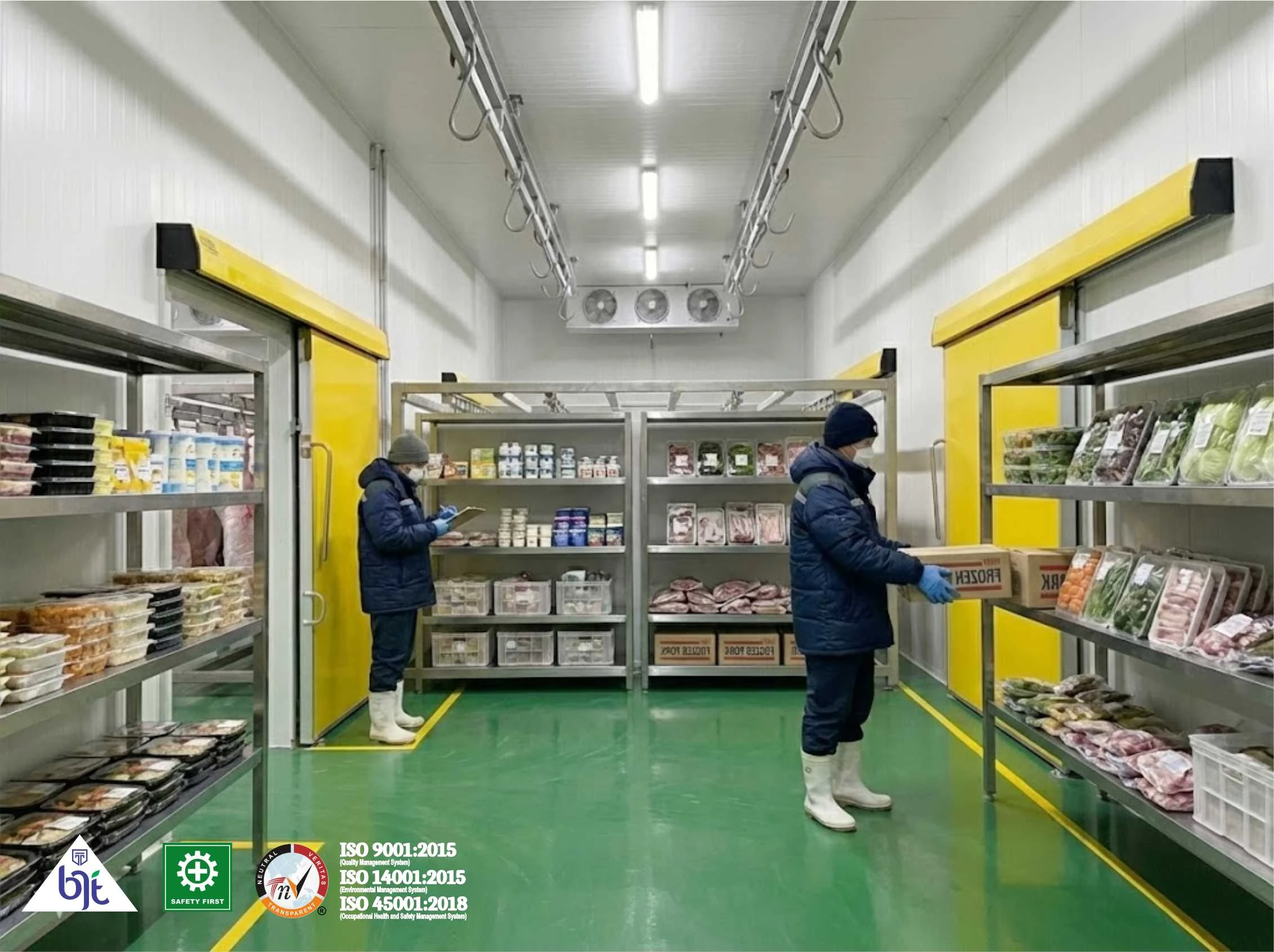
Walk-in freezers are large, room-sized storage units used for commercial applications. They allow easy access for staff and are commonly found in restaurants, grocery stores, and food processing plants. These freezers can be customized in size and shelving to maximize storage capacity.
2. Blast Freezers
Blast freezers, also known as flash freezers, are designed to rapidly lower the temperature of perishable items. This helps retain freshness and prevent the formation of large ice crystals that can damage food quality. These are widely used in the seafood, meat, and bakery industries.
3. Deep Freezers
Deep freezers maintain ultra-low temperatures, often below -40°C, for long-term storage of sensitive items. These freezers are commonly used in the pharmaceutical industry to store vaccines, biological samples, and laboratory materials.
4. Modular Freezers
Modular freezers offer flexibility by allowing businesses to expand or modify their cold storage areas. These units are built with insulated panels and can be assembled in various configurations to fit specific storage needs.
How Cold Storage Freezers Work
Cold storage freezers operate using a combination of refrigeration cycles and insulation techniques. Here’s how they function:
1. Refrigeration Cycle
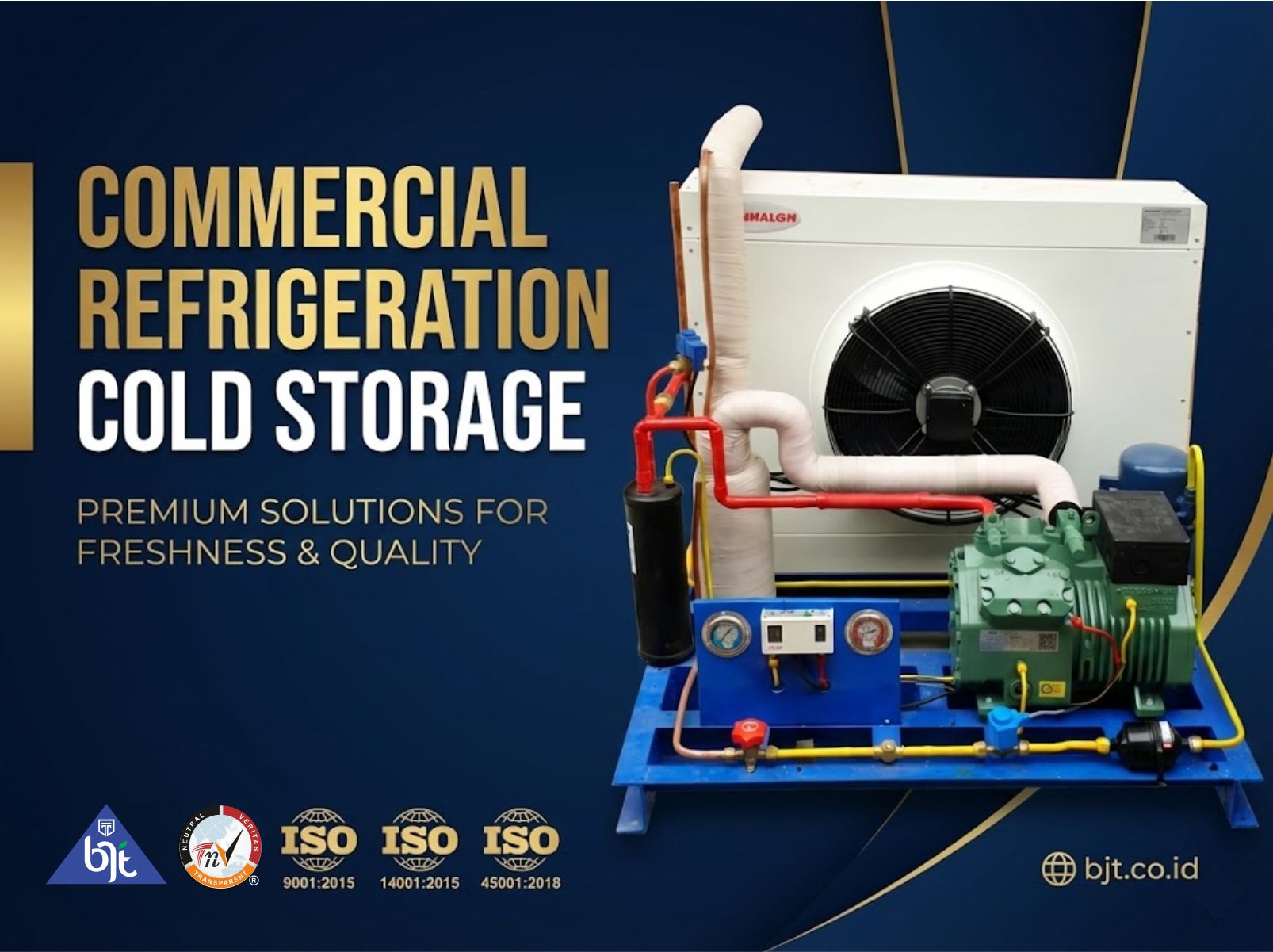
The refrigeration system consists of four main components:
-
Compressor: Pressurizes and circulates the refrigerant.
-
Condenser: Converts hot refrigerant gas into a liquid.
-
Expansion Valve: Controls the refrigerant flow into the evaporator.
-
Evaporator: Absorbs heat and lowers the internal temperature.
2. Temperature Control Mechanisms
Modern cold storage freezers come equipped with temperature monitoring systems that allow for precise control. Digital sensors help maintain the required temperature, ensuring consistent freezing conditions.
3. Insulation and Energy Efficiency
High-quality insulation materials, such as polyurethane foam, help maintain stable temperatures and reduce energy consumption. Proper sealing around doors and panels prevents temperature fluctuations and enhances overall efficiency.
Key Components of a Cold Storage Room Freezer
-
Compressors and Condensers - Circulate refrigerant and dissipate heat.
-
Evaporators and Fans - Absorb heat and distribute cold air evenly.
-
Insulation Panels - Maintain low temperatures by preventing heat exchange.
-
Temperature Monitoring Systems - Allow real-time temperature tracking and alerts.
Benefits of Using a Cold Storage Freezer
-
Preservation of Perishable Items: Extends product shelf life.
-
Reducing Waste and Spoilage: Prevents financial losses.
-
Compliance with Food Safety Standards: Ensures regulatory adherence.
-
Increased Efficiency: Organizes inventory for easy access.
Industries That Rely on Cold Storage Freezers
-
Food and Beverage Industry: Stores meat, dairy, seafood, and frozen goods.
-
Pharmaceuticals and Healthcare: Preserves vaccines and biological samples.
-
Chemical and Research Labs: Maintains temperature-sensitive chemicals.
-
Logistics and Warehousing: Facilitates frozen goods distribution.
Choosing the Right Cold Storage Freezer
-
Size and Capacity: Match storage needs without excessive energy use.
-
Temperature Range: Different products require different settings.
-
Energy Efficiency: Opt for eco-friendly refrigeration solutions.
Installation and Maintenance Best Practices
1. Proper Location and Ventilation
-
Install in a well-ventilated area away from heat sources.
-
Ensure adequate space for air circulation to prevent overheating.
2. Routine Maintenance and Cleaning
-
Clean evaporator coils and fans regularly.
-
Check door seals and gaskets for leaks.
-
Defrost periodically and sanitize storage shelves.
3. Troubleshooting Common Issues
-
Freezer not cooling? Check thermostat and refrigerant levels.
-
Ice buildup? Ensure tight door seals and proper airflow.
-
Unusual noises? Inspect compressor and fan motors.
Energy Efficiency and Cost Savings
1. Insulation and Door Sealing Techniques
-
Use high-quality insulation to reduce heat exchange.
-
Install self-closing doors to minimize air loss.
2. Smart Refrigeration Technologies
-
Utilize programmable thermostats and energy-efficient compressors.
-
Install motion sensors for lighting to reduce power consumption.
3. Reducing Electricity Consumption
-
Maintain optimal load levels.
-
Use alternative energy sources like solar power.
Challenges in Operating Cold Storage Freezers
-
Temperature Fluctuations: Use automated monitoring and backup power solutions.
-
Equipment Malfunctions: Conduct regular servicing.
-
High Energy Costs: Invest in energy-efficient models.
Cold Storage Freezer Safety Measures
1. Proper Handling and Loading Practices
-
Avoid overloading shelves.
-
Store items in designated temperature zones.
2. Emergency Protocols and Backup Systems
-
Install alarm systems and train staff on emergency procedures.
-
Have backup generators in place.
3. Worker Safety and PPE Guidelines
-
Employees should wear insulated gloves and jackets.
-
Implement anti-slip flooring to prevent accidents.
Advancements in Cold Storage Technology
-
IoT and Remote Monitoring: Real-time temperature tracking.
-
AI-Based Optimization: Reduces energy consumption.
-
Solar-Powered Cold Storage: Reduces dependency on grid electricity.
Regulatory Standards for Cold Storage Freezers
-
FDA and USDA Regulations: Ensure food safety compliance.
-
HACCP Guidelines: Implement hazard prevention measures.
-
ISO Standards: Maintain international quality and safety compliance.
Cost of Setting Up a Cold Storage Room Freezer
1. Initial Investment Breakdown
-
Equipment costs, installation fees, and structural modifications.
2. Operating and Maintenance Costs
-
Monthly electricity bills and servicing expenses.
3. ROI Analysis
-
Reduced spoilage and increased efficiency offset initial costs.
Future Trends in Cold Storage Freezing Solutions
-
Sustainable Refrigerants: Eco-friendly cooling solutions.
-
Automation and Robotics: Improve warehouse efficiency.
-
Smart Warehousing Solutions: Optimize inventory management.
Conclusion
Cold storage room freezers are essential in preserving perishable goods, maintaining food safety, and ensuring efficient supply chain operations. Whether for restaurants, pharmaceutical companies, or warehouses, investing in the right freezer system can significantly impact business success.
By following best practices in installation, energy efficiency, and maintenance, businesses can optimize performance and reduce costs. As technology advances, smart cold storage solutions will continue to improve, offering more sustainable and cost-effective refrigeration options.
Frequently Asked Questions (FAQs)
-
What is the ideal temperature for a cold storage freezer?
-
Most freezers operate between -18°C and -40°C.
-
-
How can I improve energy efficiency?
-
Use high-quality insulation, maintain door seals, and invest in energy-efficient refrigeration systems.
-
-
What are common freezer problems?
-
Temperature fluctuations, ice buildup, and compressor failures.
-
-
How often should maintenance be performed?
-
Every three to six months.
-
-
Can solar power be used for cold storage freezers?
-
Yes! Solar-powered refrigeration systems provide sustainable solutions.
-